Dr. Arthur Carrington: No pleasure, no pain. No emotion, no heart. Our superior in every way.
—The Thing from Another World (1951)
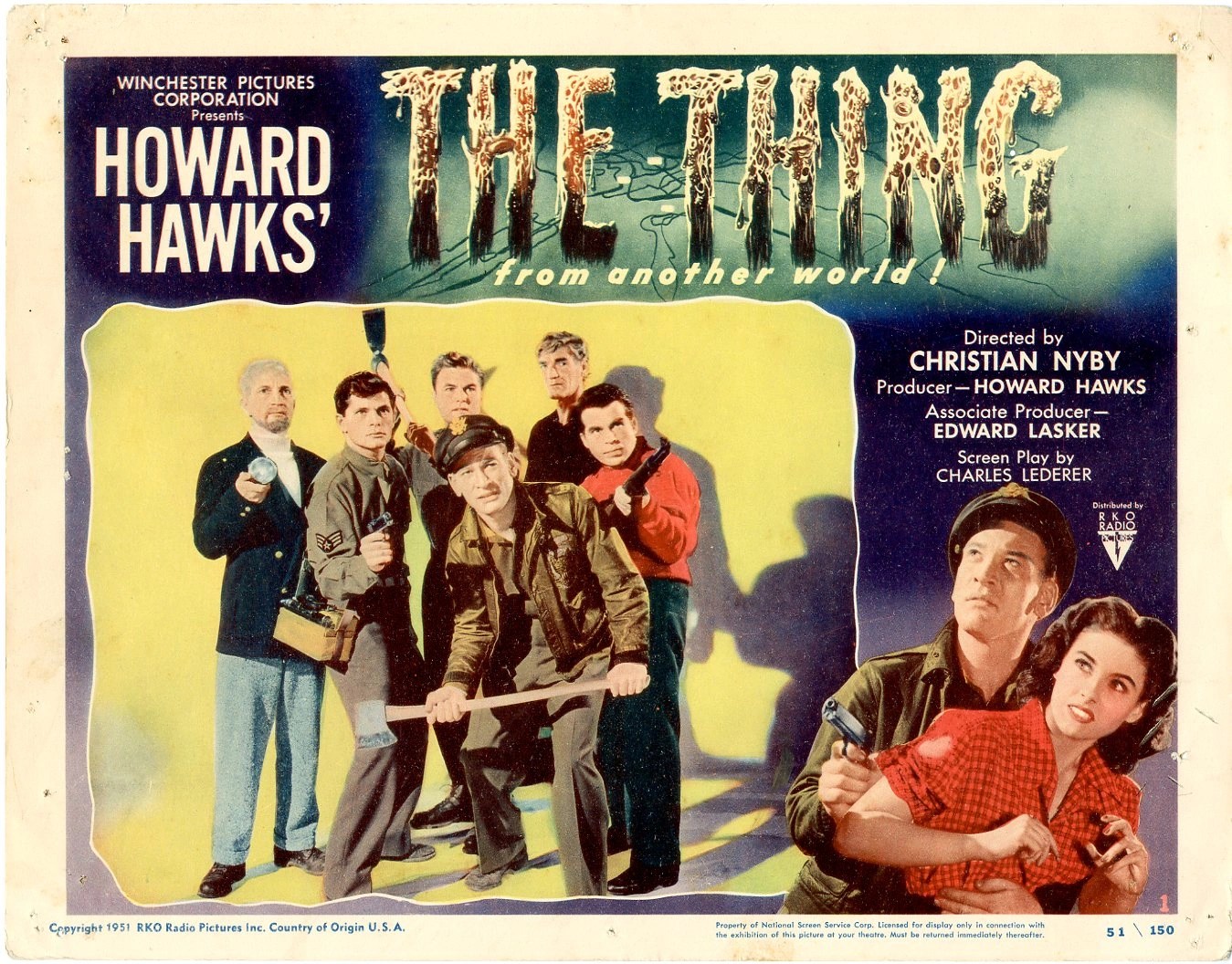
In The Thing from Another World (1951), classic Hollywood indulges us with another science fiction horror story of humans against the unknown. In this case, audiences are introduced to tough, no-nonsense U.S. Air Force officials at odds with scientists who are fighting to be objective voices of reason. Together, they face a shocking discovery and contend with its frightening reality.
Dr. Arthur Carrington: There are no enemies in science, only phenomena to be studied.
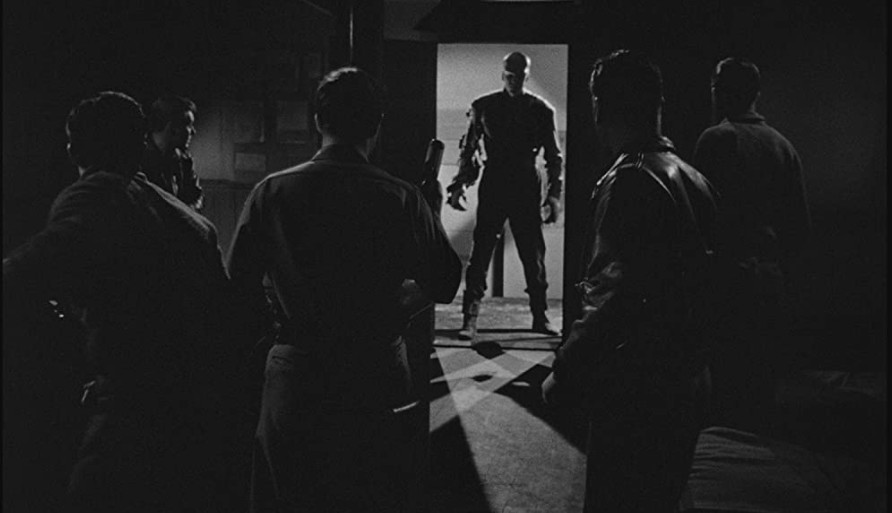
In this black-and-white film directed by Christian Nyby, produced by Howard Hawks’ Winchester Pictures Corporation, an Air Force crew finds a flying saucer that has been frozen in Arctic ice. Moreover, it is complete with a humanoid body–perfect to study. However, it becomes clear that the humanoid creature is not lifeless–rather, it is a plant-based, violent creature that has been freed from the ice and brought back to life. With one relentless attack after another, the team of officials and scientists must work to stop the creature once and for all.
Lt. Ken McPherson: What if he can read our minds?
Eddie: He’ll be real mad when he gets to me.
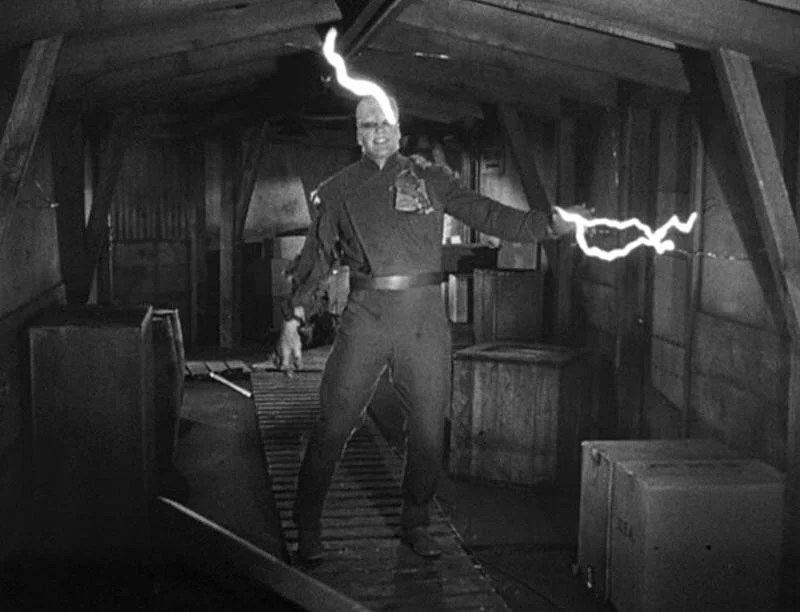
This film was based on a 1938 novella, entitled “Who Goes There?” by John W. Campbell, though published under the pseudonym of Don A. Stuart. Writers Charles Lederer and Ben Hecht convinced Hawks to purchase the rights to the story, and succeeded, paying $1,250. Changes were made to the story, with one notable change being the dismissal of the creature’s ability to take on the characteristics of any being as a defense and predatory mechanism; instead, to accommodate the smaller budget, the writers shifted the creature to a humanoid being that is akin to vegetation but also feeds on blood.
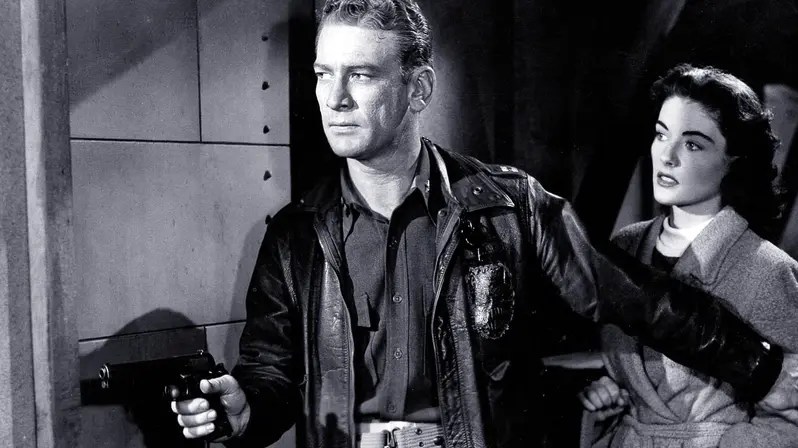
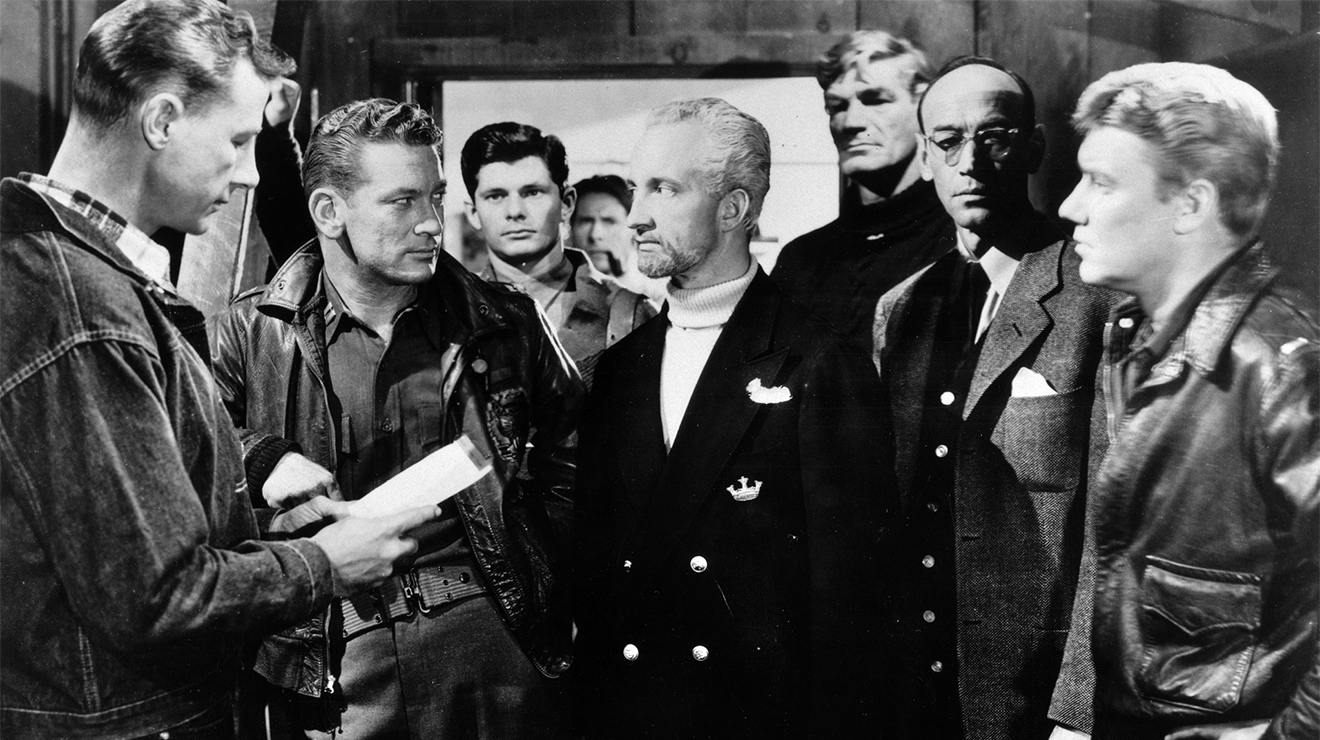
The credited cast list for the film is as follows:
- Margaret Sheridan as Nikki Nicholson
- Kenneth Tobey as Captain Patrick Hendry
- Robert Cornthwaite as Dr. Arthur Carrington
- Douglas Spencer as Ned “Scotty” Scott
- James Young as Lieutenant Eddie Dykes
- Dewey Martin as Bob, The Crew Chief
- Robert Nichols as Lieutenant Ken “Mac” MacPherson
- William Self as Corporal Barnes
- Eduard Franz as Dr. Stern
- Sally Creighton as Mrs. Chapman
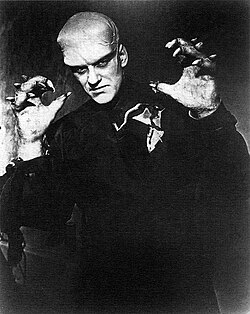
- James Arness as The Thing
In addition, there are several notable uncredited talents, including:
- Paul Frees as Dr. Voorhees (uncredited)
- John Dierkes as Dr. Chapman (uncredited)
- George Fenneman as Dr. Redding (uncredited)
- Everett Glass as Dr. Wilson (uncredited)
- Edmund Breon as Dr. Ambrose (uncredited)
- Norbert Schiller as Dr. Laurence (uncredited)
- Nicholas Byron as Tex Richards (uncredited)
- David McMahon as Brigadier General Fogerty (uncredited)
- Robert Stevenson as Captain Smith (uncredited)
- Bill Neff as Bill Stone (uncredited)
- Lee Tung Foo as Lee, The Cook (uncredited)
This film was Howard Hawks’ sole venture into science fiction in any capacity. Additionally, there is some debate as to whether or not he directed the film. There are arguments that Hawks did not take credit so that Nyby could receive Director’s Guild membership, while other cast members maintain that Hawks had a directorial responsibility–sometimes more vocal, sometimes not. Either way, Hawks denied that he directed the film.
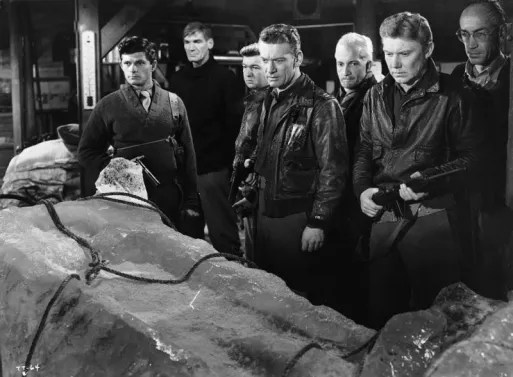
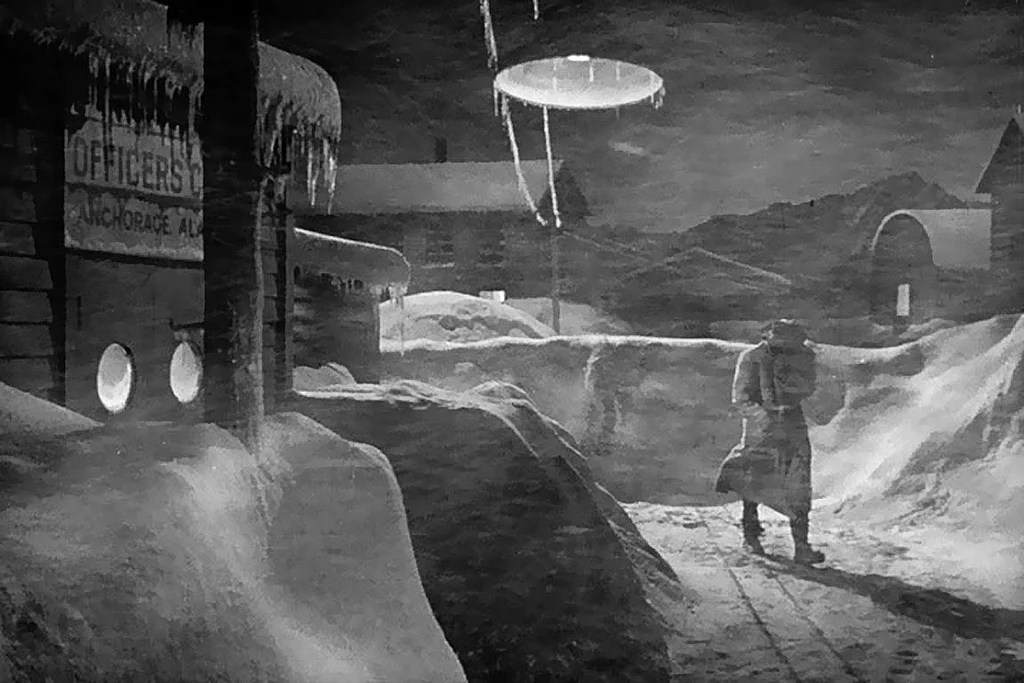
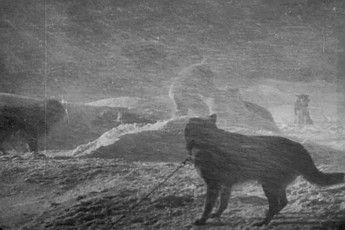
The film was partly shot on location at Glacier National Park in Montana for what could represent an Arctic-style setting, though interior shots were also built at an ice storage facility in Los Angeles, California. The ice storage facility enabled the film to show the actor’s breath condensing in the cold–an effect that had yet to be accomplished. Initially, Alaska was considered as a location, but it was rejected in favor of more accessible locations in northern Montana. The two weeks of filming that were planned in Montana were curtailed by a week due to a lack of snowfall. Take-offs and landings were filmed at Lewiston Municipal Airport in Montana.
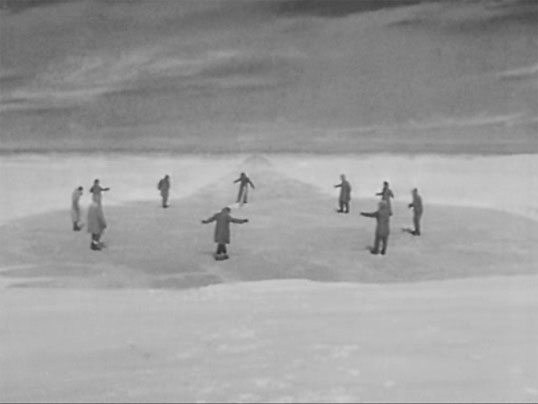
The famous scene during which the crew forms a ring around the flying saucer frozen in the ice to get a sense of its scale was filmed at the RKO Ranch in the San Fernando Valley in one hundred degree weather.
Moreover, the film boasts an achievement in stunt work. The creature is set ablaze at one point, which showcases one of the first full-body fire stunts depicted on film.
Much of the dialogue overlaps when characters interrupt each other. This attempt at “realistic” fast-patter conversation is reminiscent of His Girl Friday (1940), directed by Howard Hawks. Interestingly, George Fenneman appears in a small role in this film and was concurrently gaining fame as Groucho Marx’s announcer on You Bet Your Life. He reportedly struggled with the overlapping dialogue required in this film.
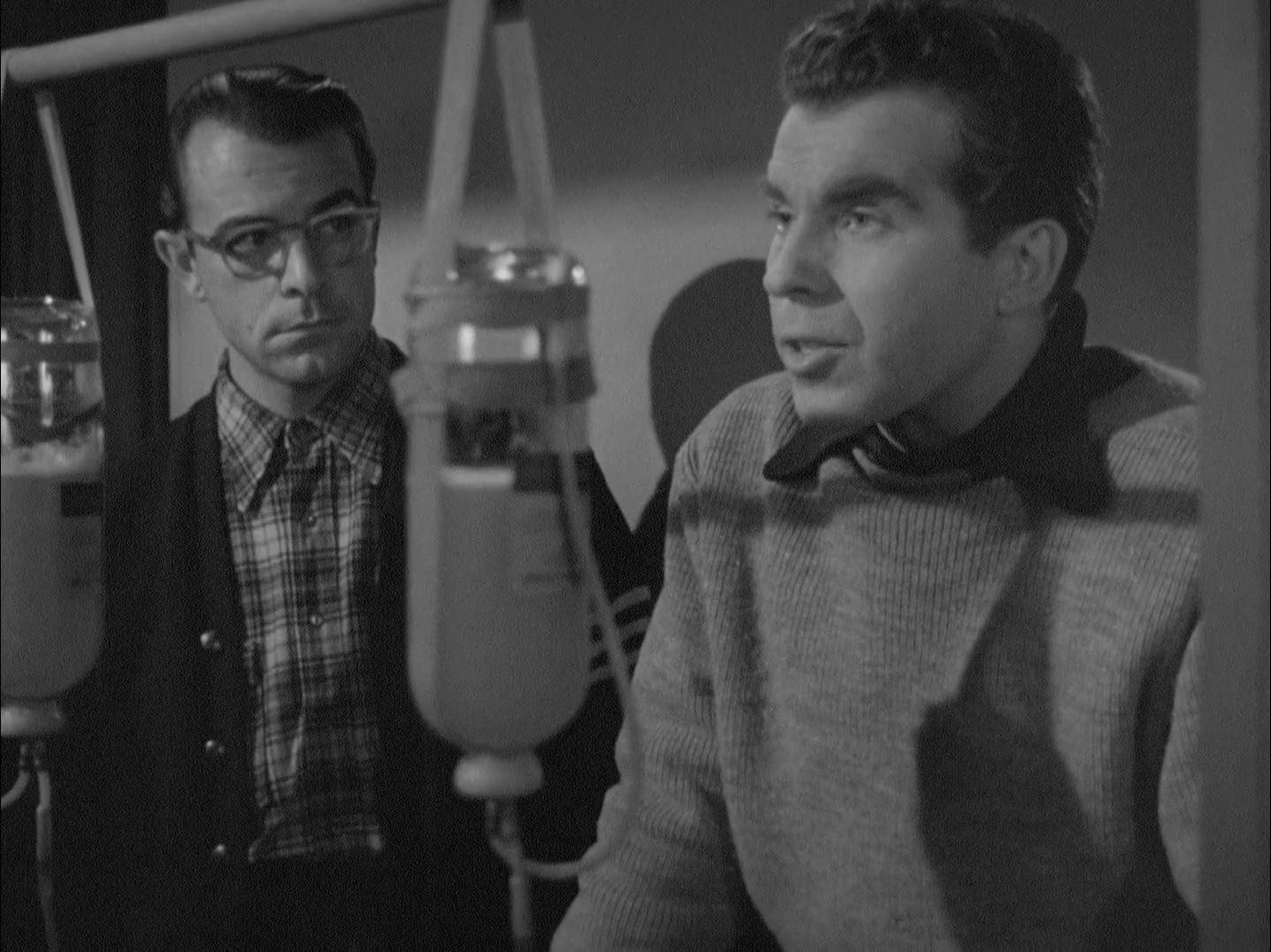
Today, the film is considered to be among the best films of the 1950s, speaking to the hysteria of the period, Red Scare, and the threat of nuclear war–particularly shining with its last lines:
Ned “Scotty” Scott: Watch the skies, everywhere! Keep looking. Keep watching the skies!
In 2001, the film was selected for preservation in the U.S. National Film Registry.




 Hometowns to Hollywood