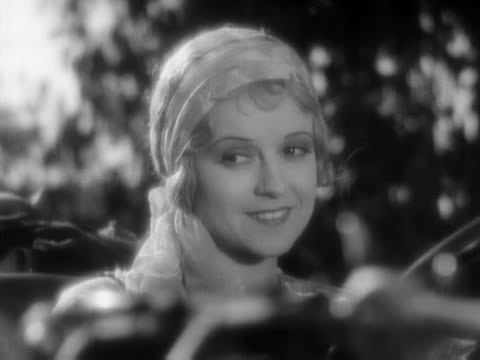
Miss Crabtree: Now, tell me. Why don’t you want to go to school?
Jackie: Aw, we’re gonna have a new teacher today and I know she’s an old battle axe and I ain’t gonna like her.
Miss Crabtree: What makes you think so?
Jackie: Awe, her name is Crabtree. Ain’t that a terrible name for a teacher?
Miss Crabtree: No. I think it’s rather nice.
–June Marlowe as Miss Crabtree in Teacher’s Pet (1930)
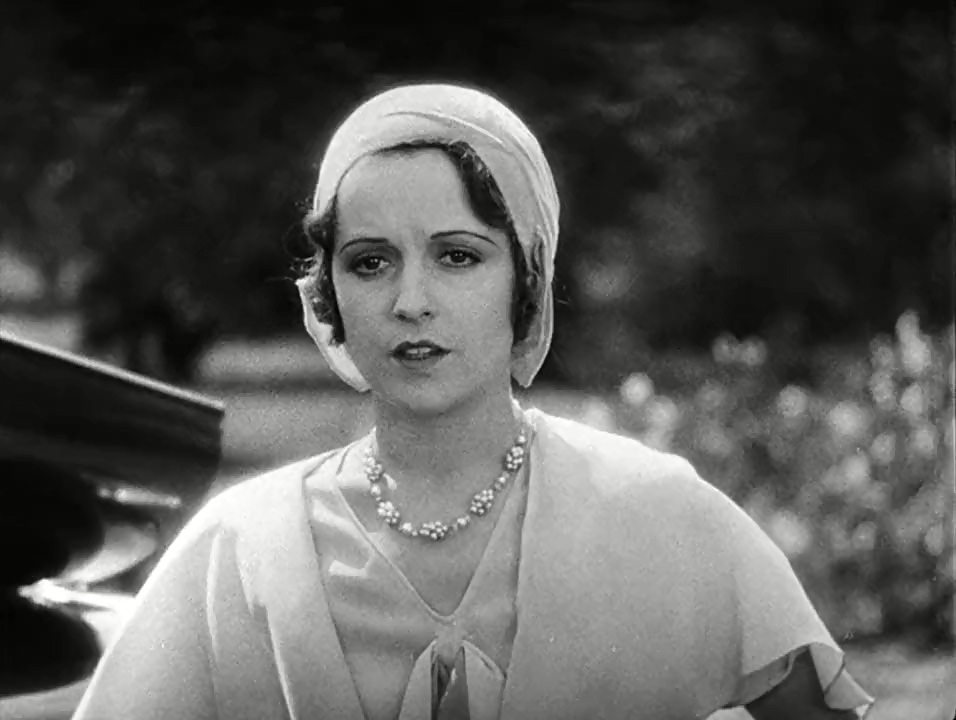
June Marlowe was born Gisela Valaria Goetten to Hedwig and John Goetten on November 6, 1903, in St. Cloud, Minnesota. She and her siblings—Armor E. Goetten, Louis Marlowe, Alona Marlowe, and Gerald Goetten—all eventually realized careers in the film industry.
Marlowe was of German descent and could speak the language fluently. She loved animals—particularly horses. Her father owned a butcher shop in St. Cloud. As a child, Marlowe was a student at St. Mary’s Parochial School and Tech High School. The family often enjoyed winters by ice skating on Lake George and summering on Spunk Lake in Minnesota.
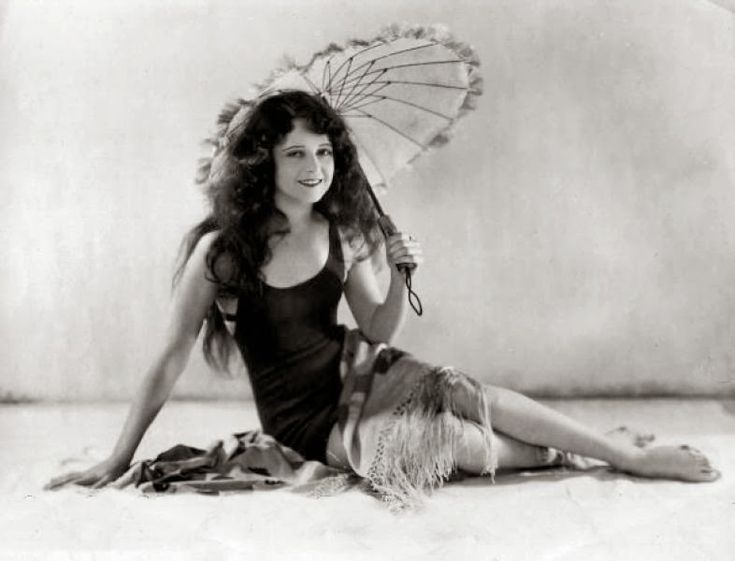
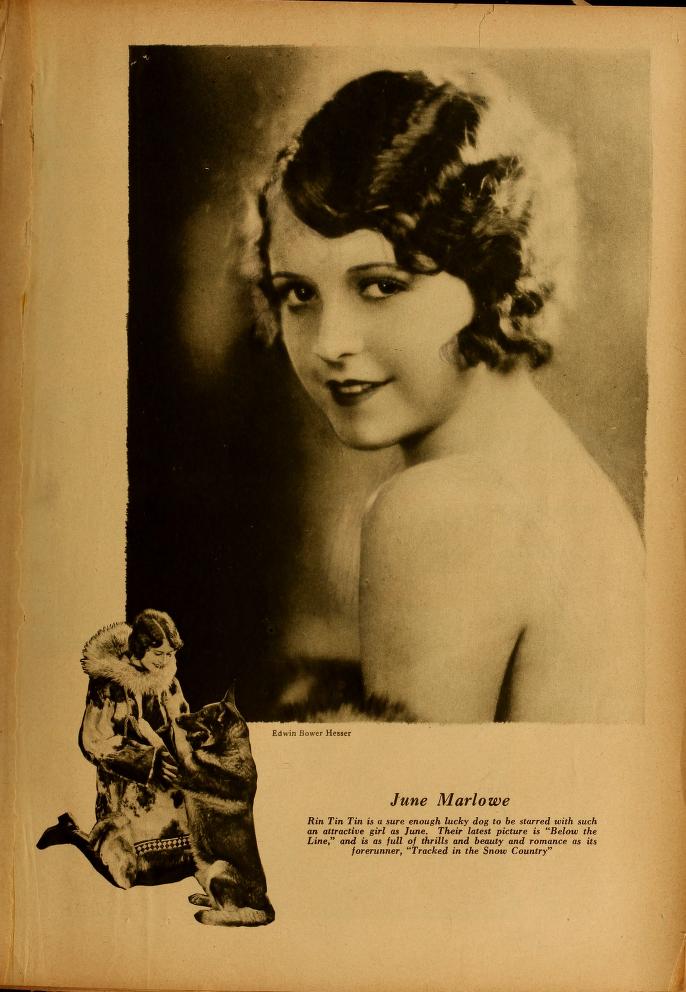
In 1920, her family moved to Los Angeles, California for her father’s health. There, she attended Hollywood High School. She intended to pursue a degree in art but, while performing in a play at Hollywood High School, she was discovered by director Malcolm St. Clair. He found her an agent and arranged for her screen debut in Fighting Blood (1923), beginning her film career. In the following years, she appeared in Find Your Man (1924), Tracked in the Snow Country (1925), Below the Line (1925), The Clash of the Wolves (1925), The Night Cry (1926) starring beloved German Shepherd icon Rin Tin Tin, among additional film roles. At Warner Bros., she was promoted as “The Most Beautiful Girl on Screen” and “The Girl with the Soulful Eyes,” in addition to being renamed June Marlowe by producer Sol Lesser.
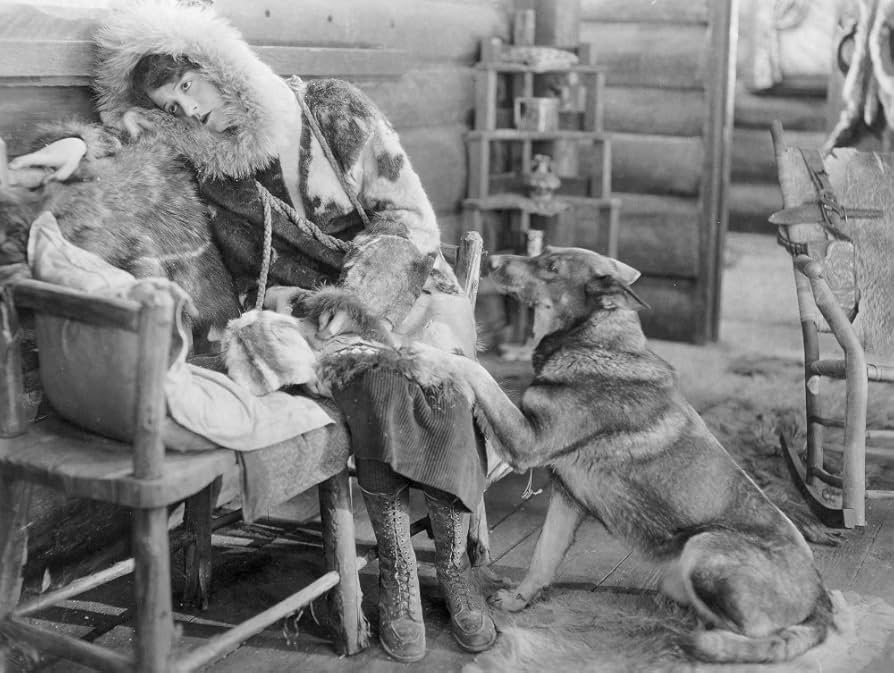
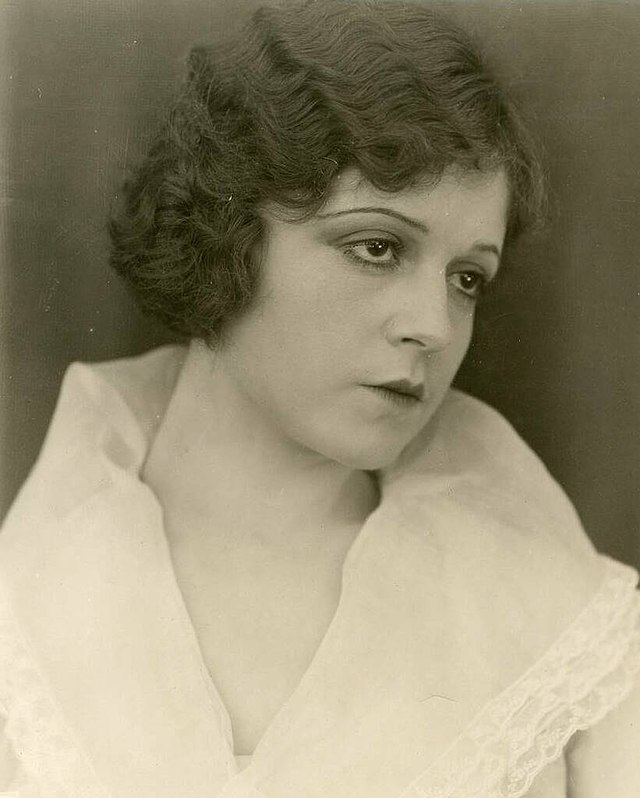
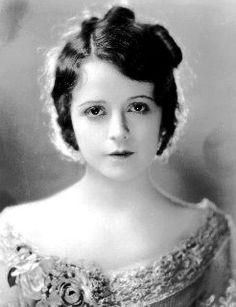
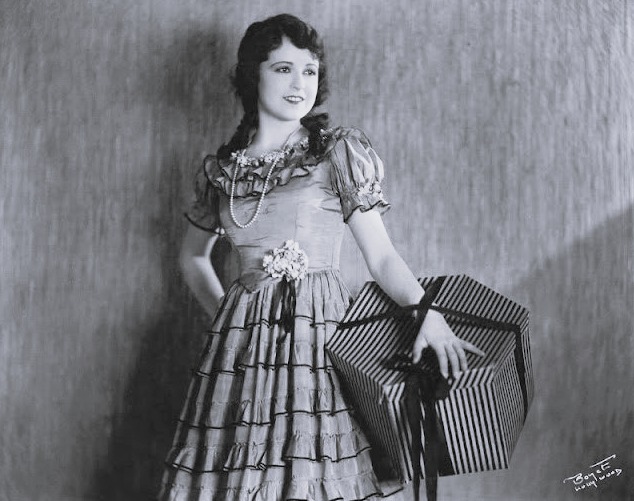
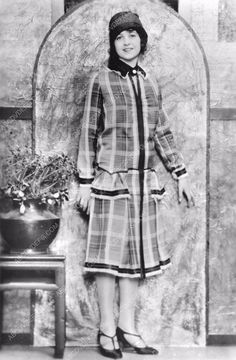
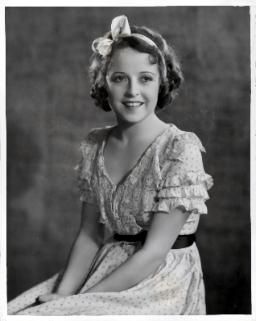
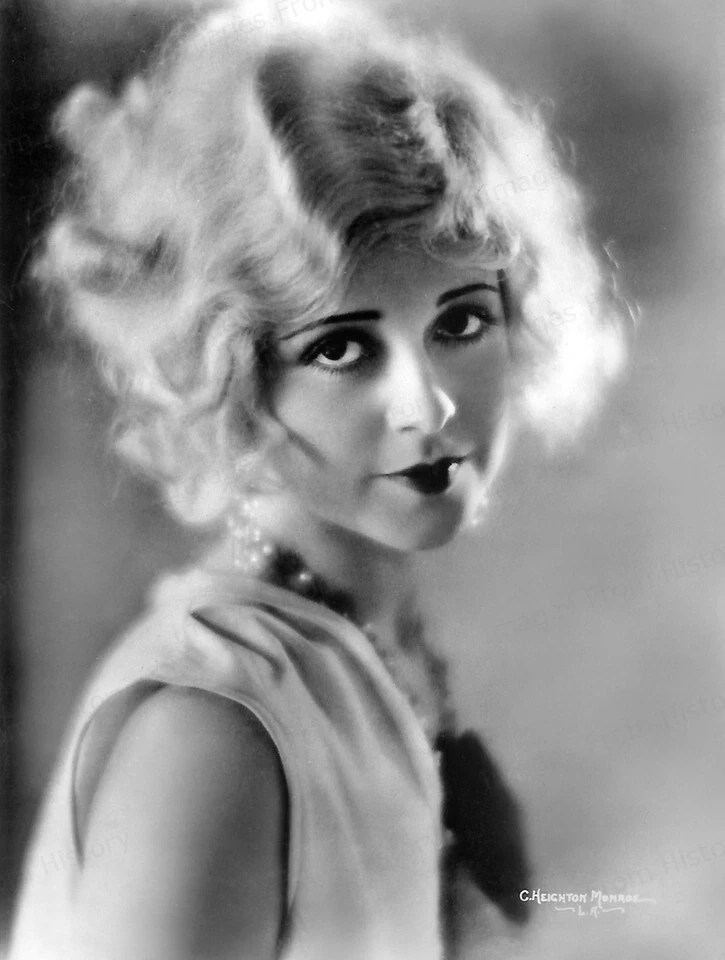
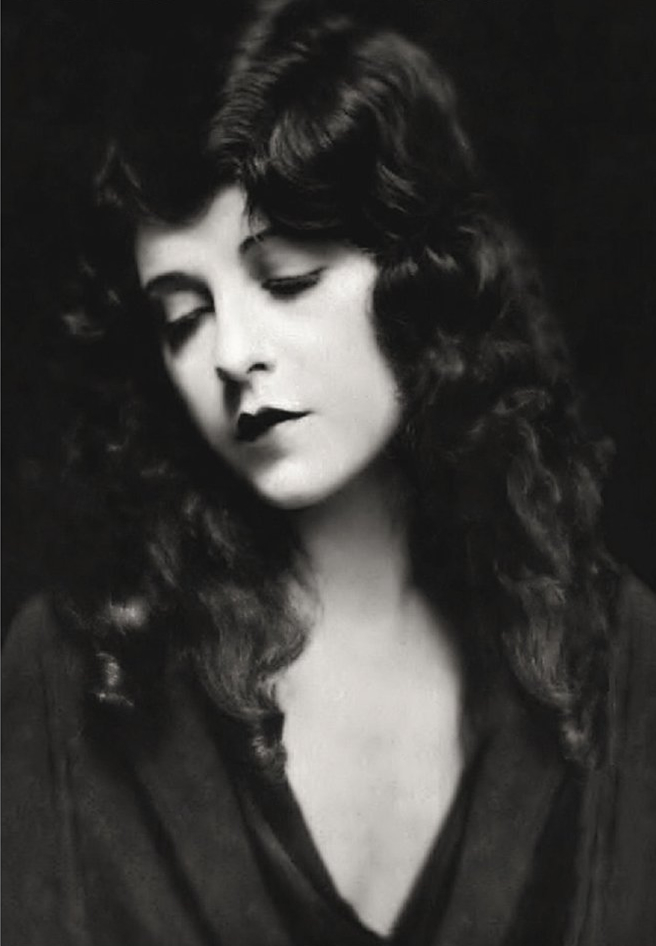
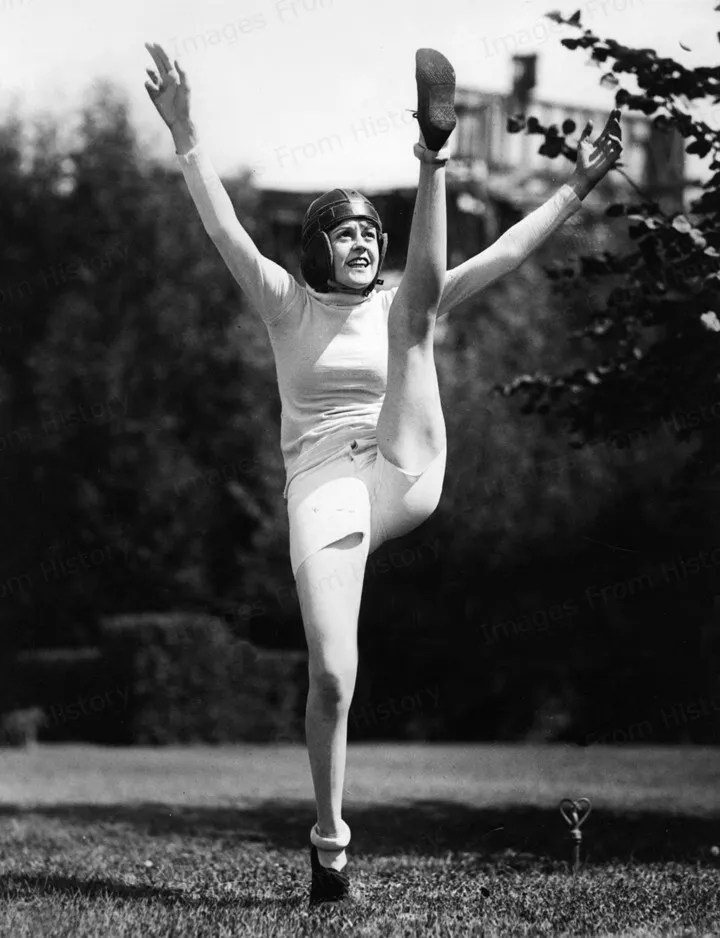
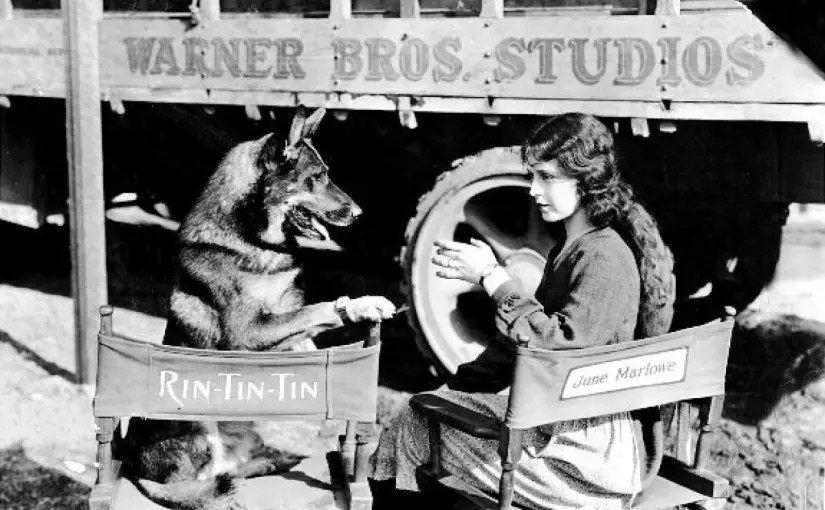
By 1926, she was a contract player for Warner Brothers. She became one of the Western Association of Motion Picture Advertisers (WAMPAS) Baby Stars in 1925 and soon worked for Universal Studios. At Universal, she appeared in Fangs of Justice (1926), starring Silver Streak—often billed as Silver Streak King of Dog Stars, Dog of Wonder, or The Wonder Dog—Universal’s answer to rival Warner Bros.’ Rin Tin Tin. She also performed in Wild Beauty (1927) starring Rex—a horse billed similarly to Silver Streak as Rex the Wonder Horse or King of the Wild Horses. Since she spoke German, Universal also loaned her to their Europe-based studios.
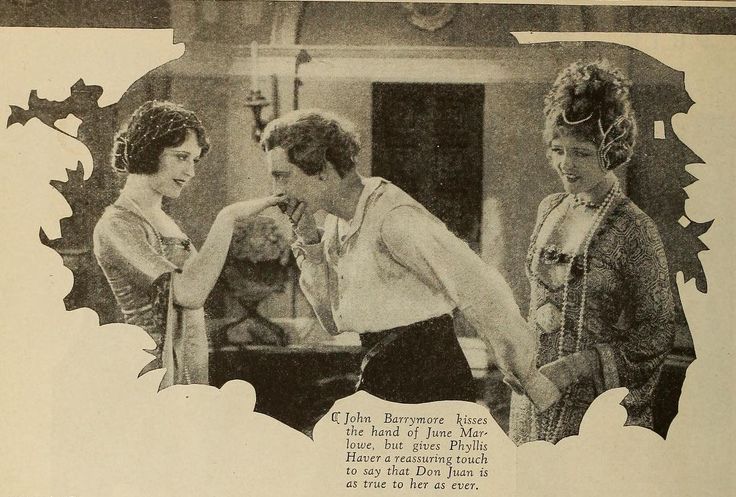
Marlowe also had the distinction of appearing in Don Juan (1926), the first synchronized sound film. The film starred John Barrymore and used the Vitaphone sound-on-disc sound system in conjunction with a synchronized musical score and sound effects, though not featuring spoken dialogue.
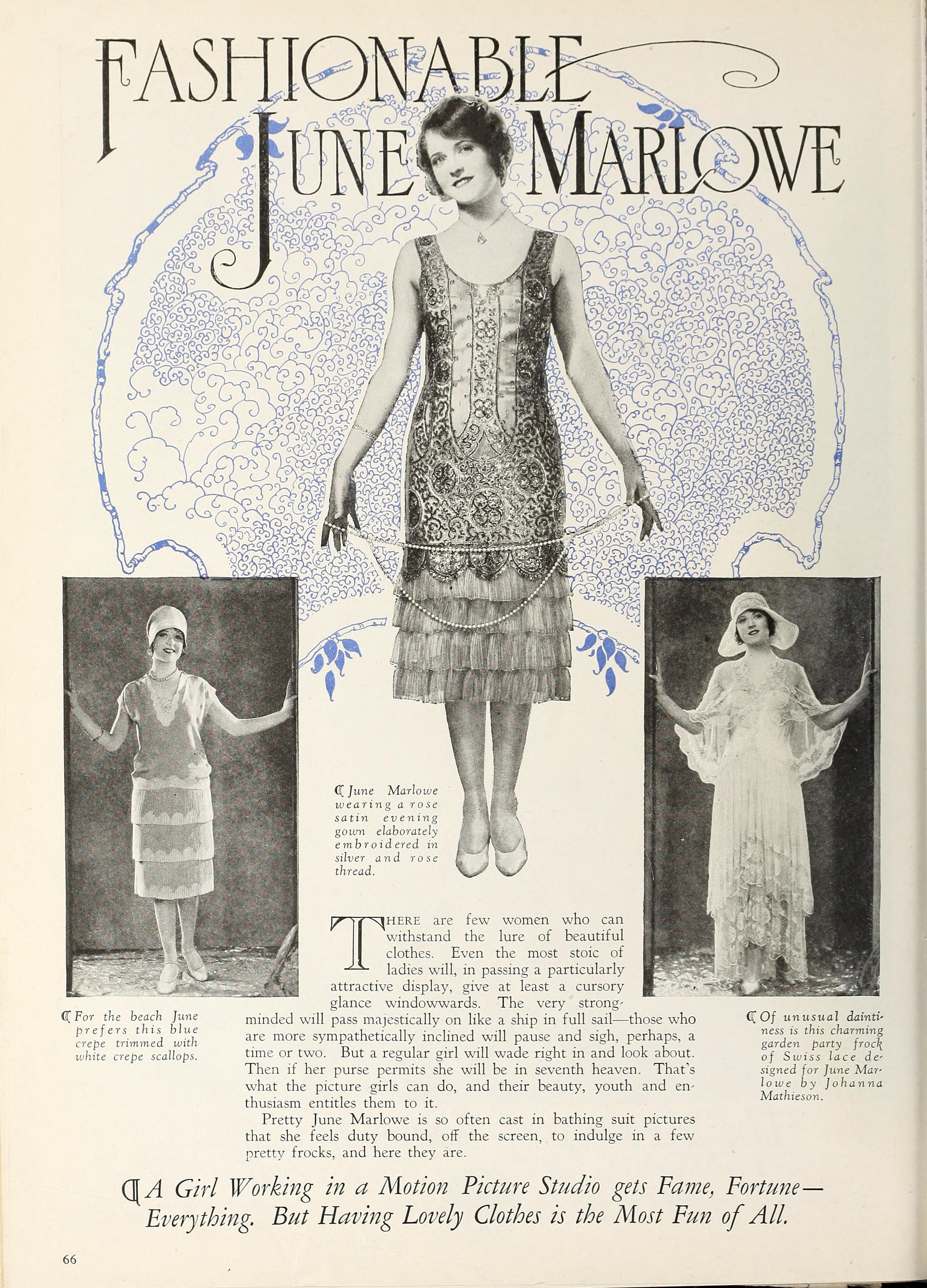
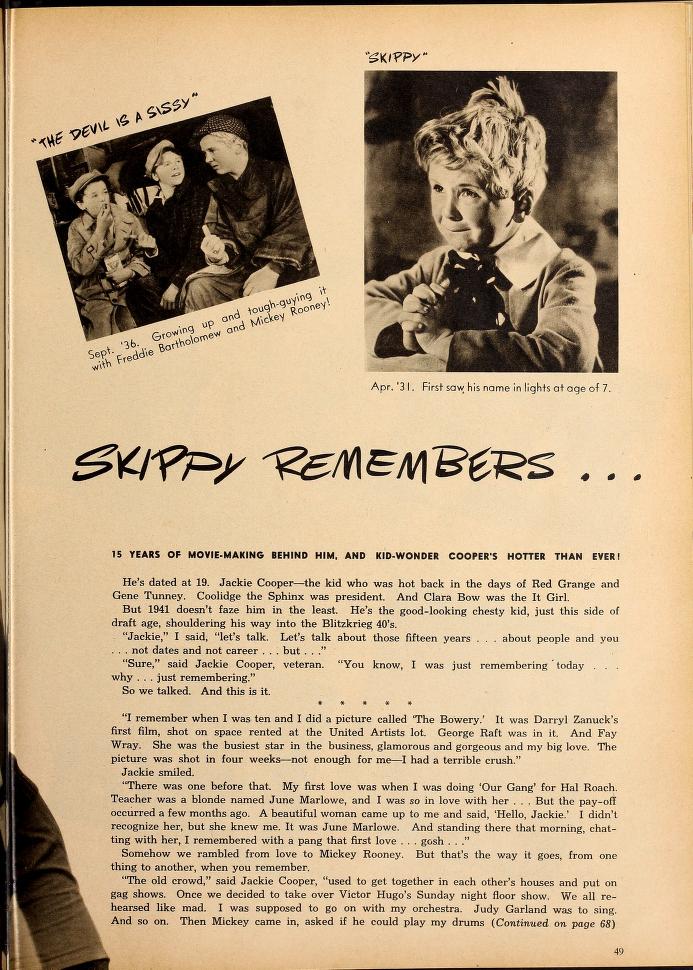
As sound entered into films, Marlowe’s career was faltering and she was considering leaving the industry. However, a chance encounter with director Robert McGowan in a Los Angeles department store gave her career a boost. McGowan was seeking an actress to play the part of a teacher in the Our Gang children’s comedies. Marlowe was considered for the role and producer Hal Roach suggested that she wear a blonde wig to the color of the show’s lead child actor, Jackie Cooper. She was ultimately cast as Miss Crabtree in the series.
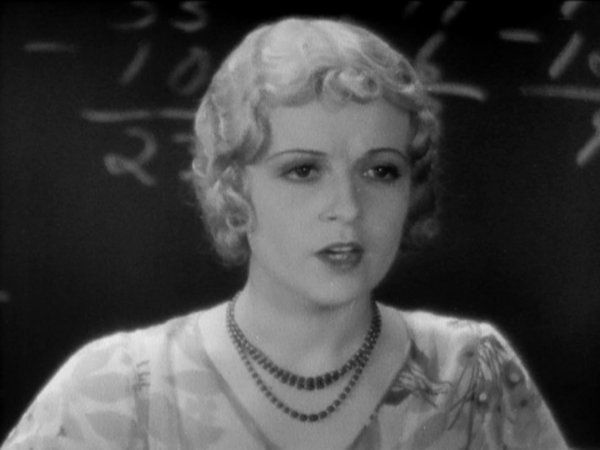
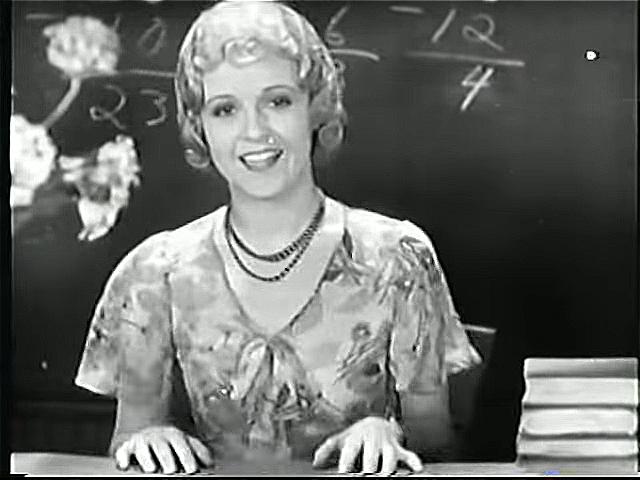
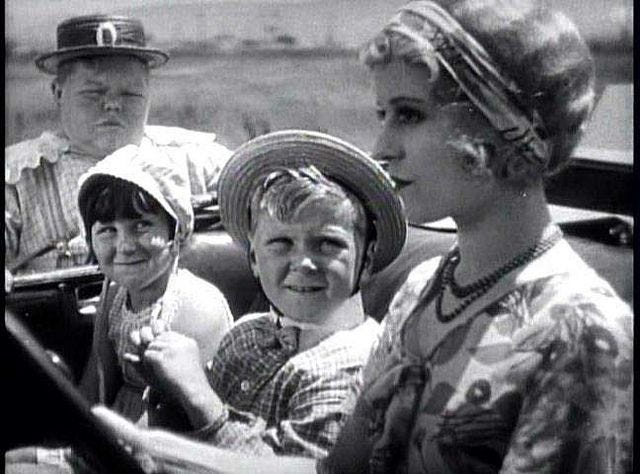
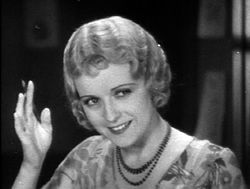
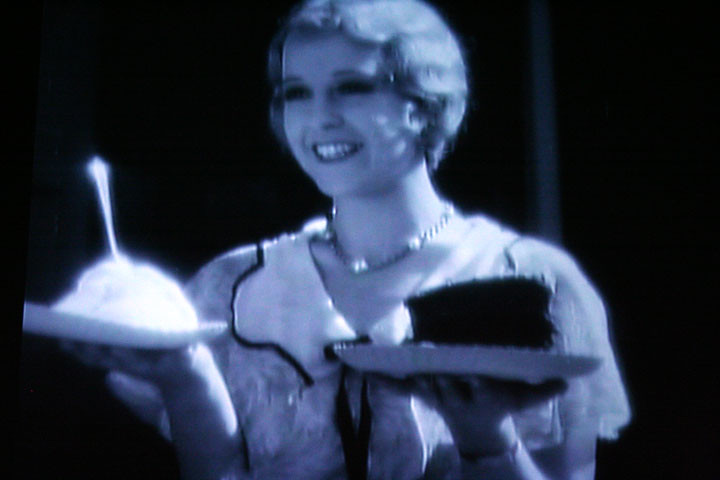
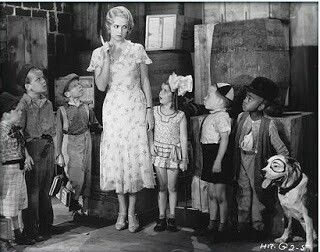
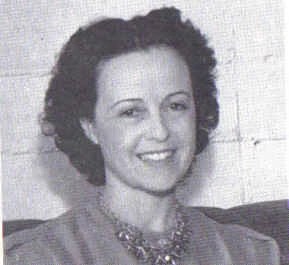
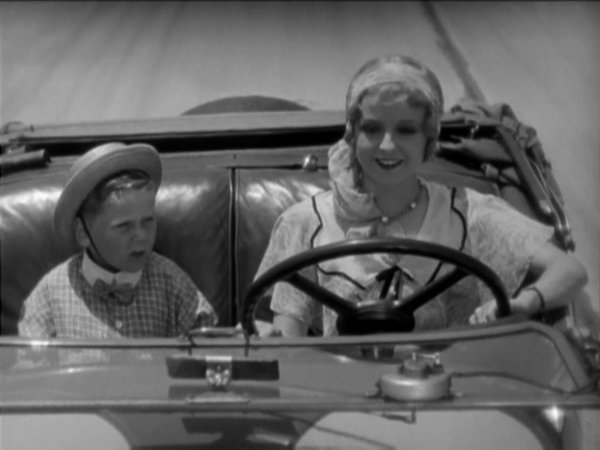
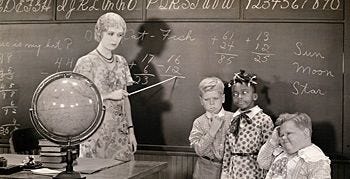
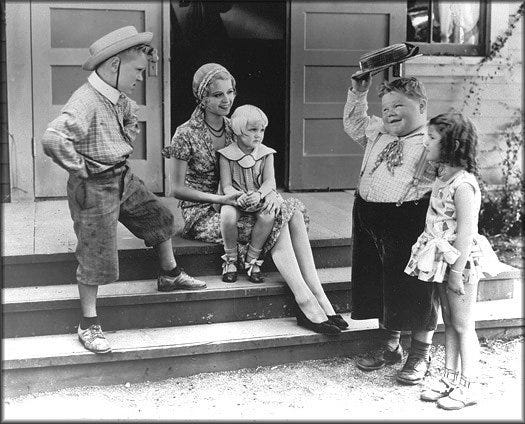
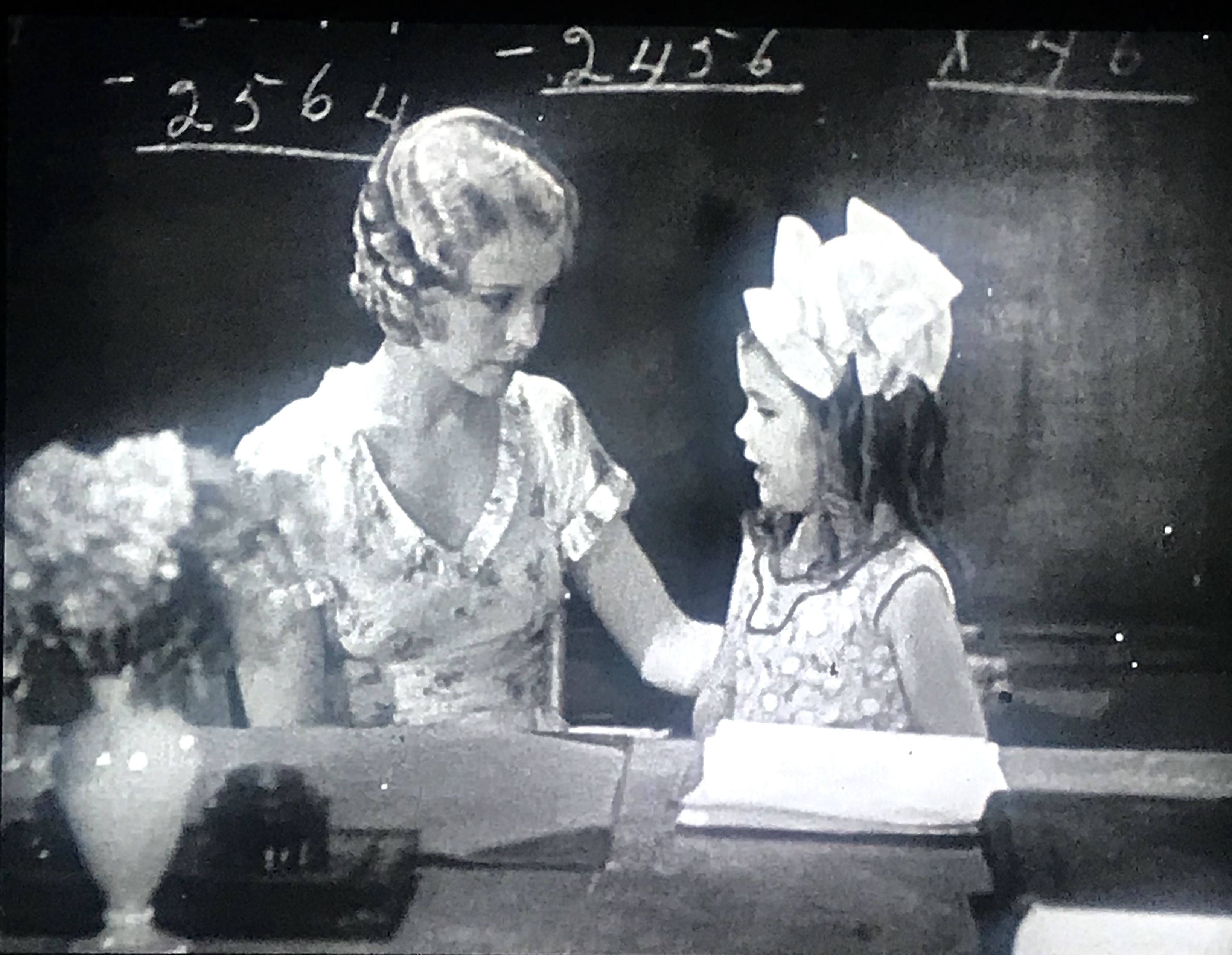
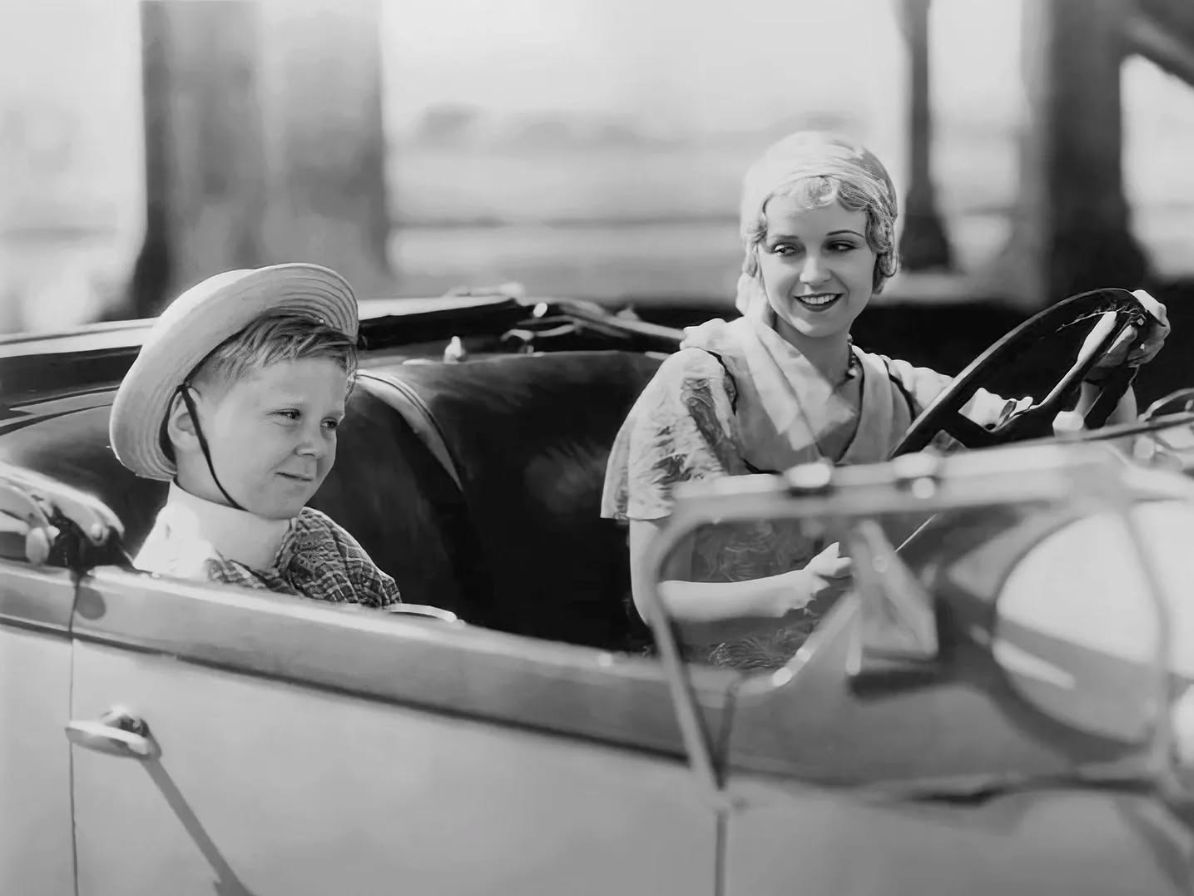
Marlowe appeared as Miss Crabtree in several Our Gang shorts including Teacher’s Pet (1930), School’s Out (1930), Love Business (1931), and Little Daddy (1931). The character was named after child actress Lotta Crabtree. The classroom scenes in the series were filmed in a former schoolhouse, which Roach had purchased to keep it from being torn down.
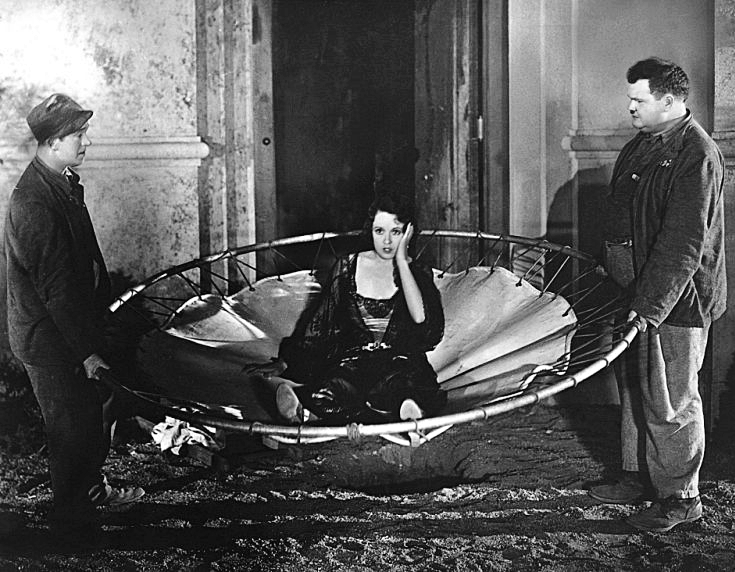
Marlowe also performed in Pardon Us (1931), starring Stan Laurel and Oliver Hardy—another Roach production.
In 1933, Marlowe married Rodney Sprigg–a friend of McGowan–who ran a moving and storage business. She retired from acting to be a housewife and was happy to be remembered for her role as Miss Crabtree. They settled in San Diego, California, where Marlowe enjoyed gardening, traveling, and spending time with charities and their animals. She and Sprigg traveled extensively and she visited St. Cloud often. Eventually, they moved back to Los Angeles. They remained married until his passing in 1982.
Marlowe consistently refused offers from Roach to return as Miss Crabtree. The rights to Our Gang were sold to MGM in 1938 and the series was discontinued in 1944. However, the series experienced a renewal through syndication on television, billed as The Little Rascals. This revival in interest led to a publisher commissioning Marlowe to write children’s books. She completed two books—Beezy and Furry—before issues with Parkinson’s disease prevented her from completing the full series. Marlowe received fan letters well into the 1980s and looked back on her career fondly. When Leonard Maltin released his book about Our Gang, he contacted her to send her first edition copies–only to receive a dictated return letter (due to her illness) that she already purchased copies of it.
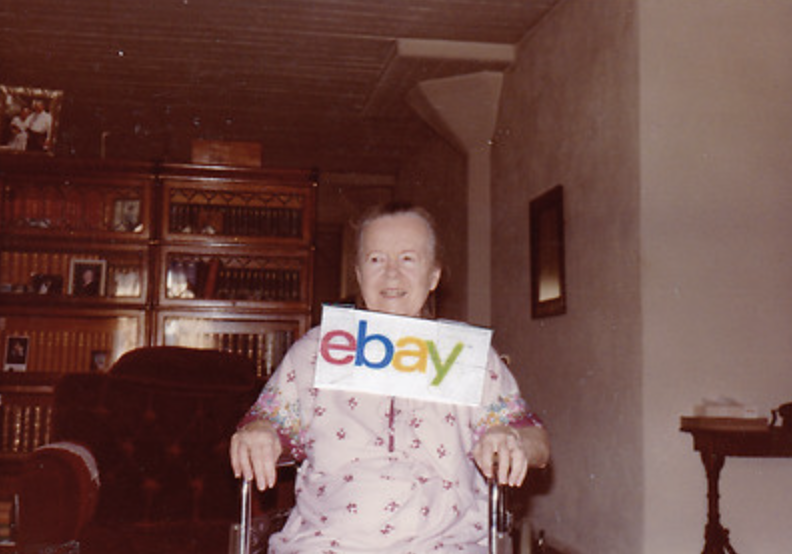
Marlowe passed away due to complications from Parkinson’s disease on March 10, 1984, at St. Joseph’s Hospital in Burbank, California. She was 80 years old. Initially, she was buried at San Fernando Mission Cemetery and she later shared the same headstone with her brother, Louis, who passed away in 1991.
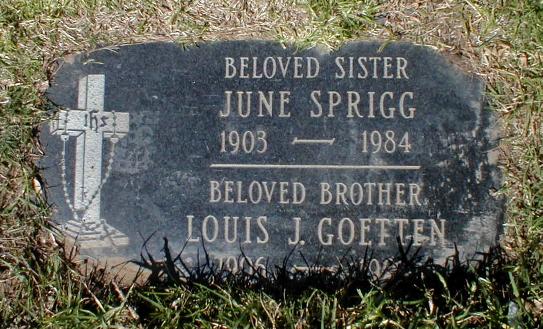
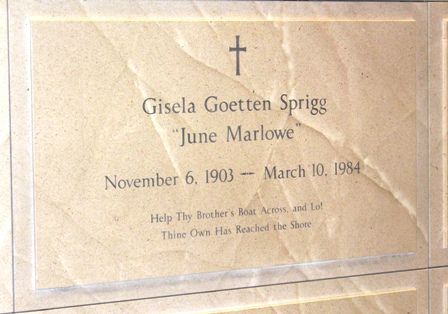
However, in 2002, they were moved to the Cathedral of Our Lady of the Angels Mausoleum in Los Angeles, where her parents and siblings are interred.
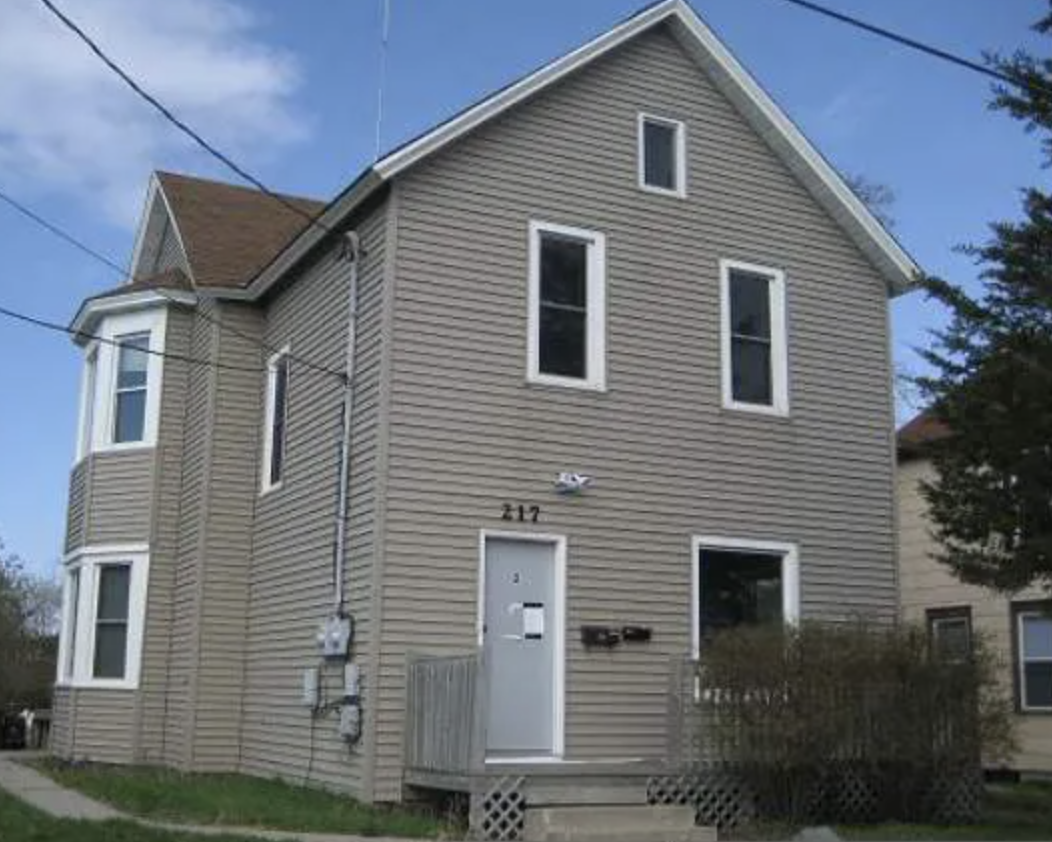
Presently, some of Marlowe’s homes exist. In 1910, her family resided at 217 10th Ave. N., St. Cloud, Minnesota. This home stands today.
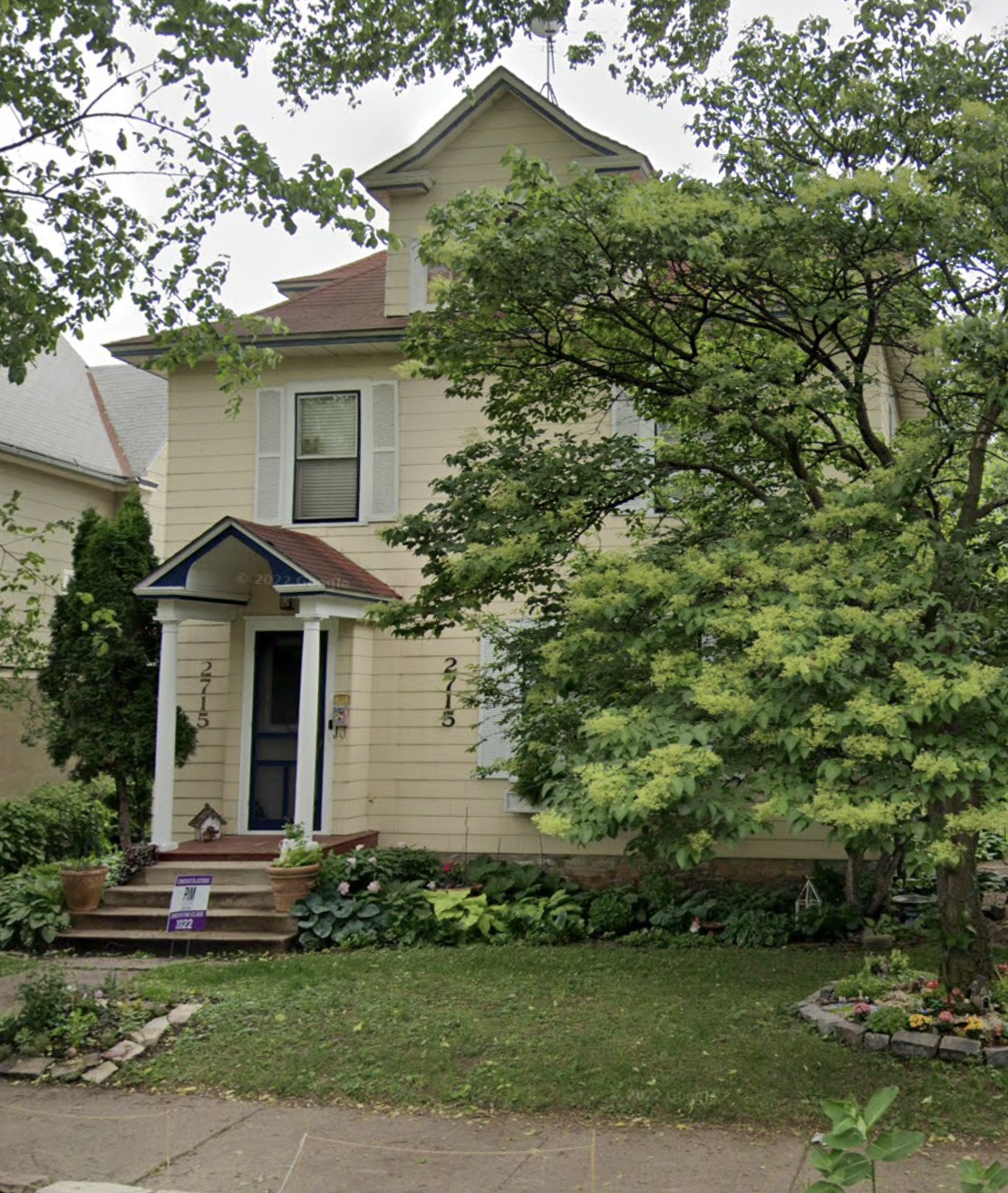
In 1920, the family lived at 2715 Bryant Ave. S., Minneapolis, Minnesota, which also stands.
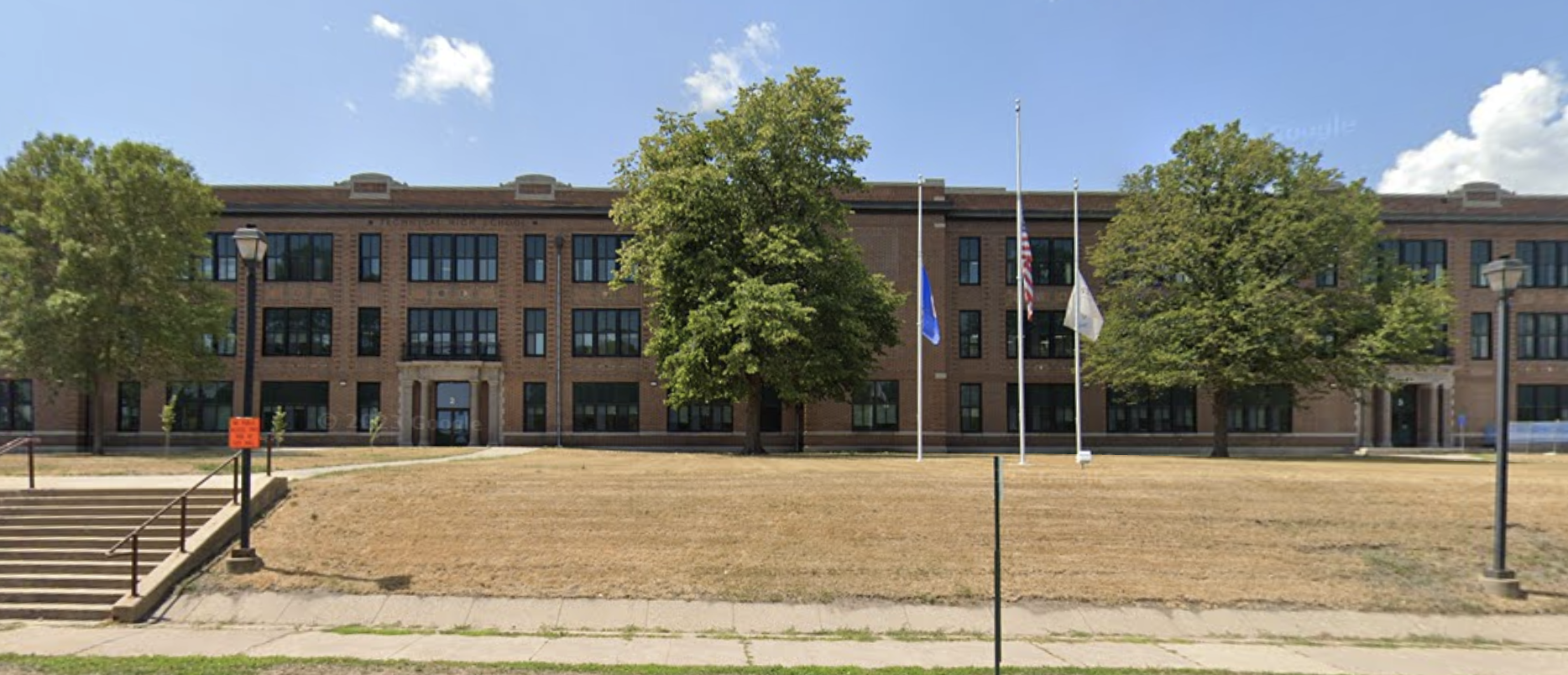
Marlowe attended Tech High School in their first building, built in 1917, located at 233 12 Ave. S., St. Cloud, Minnesota, which remains.
By 1929, the family moved to 1935 Rodney Dr., Los Angeles, California. This home has since been razed.
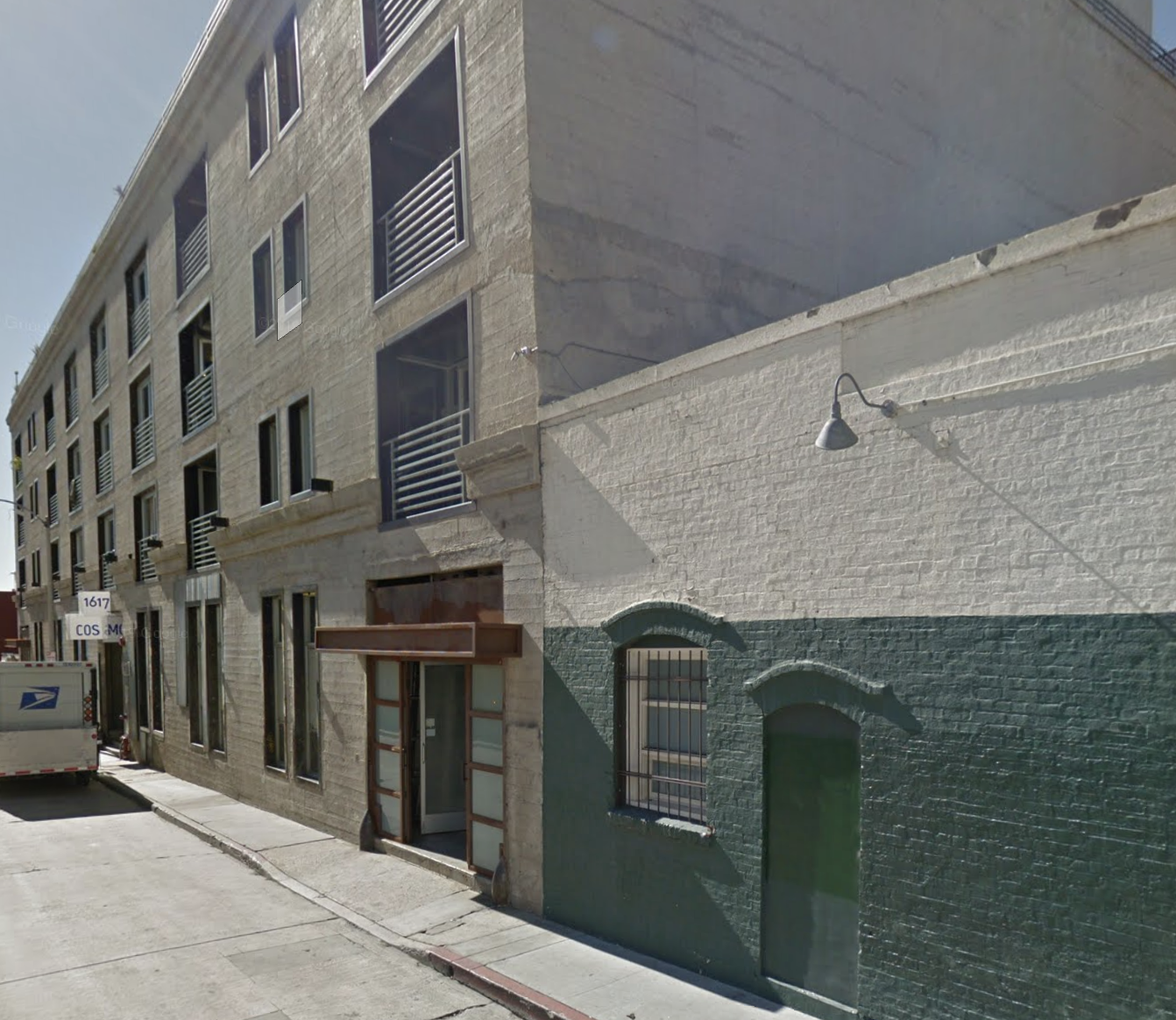
In 1940, she lived with Sprigg and two of his four sons from a previous marriage at 1629 Cosmo St., Los Angeles, California, which stands.
In 1945, she and Sprigg lived at 2044 1st Ave., San Diego, California, with Rodney. This home no longer stands.
Marlowe is connected to an additional tribute: In the show The Simpsons, the schoolteacher character was named Edna Krabappel. The character’s name takes creative liberty with the word “crabapple,” in reference to the Miss Crabtree character.






 Hometowns to Hollywood