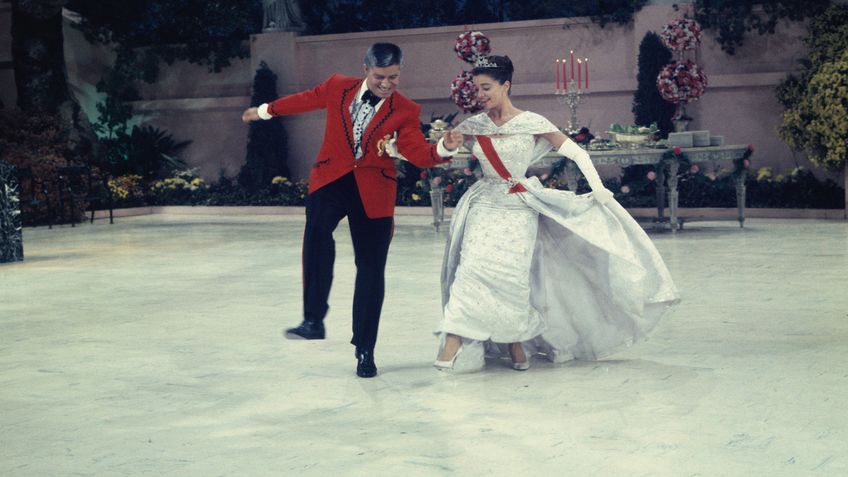
Cinderfella: Hey, isn’t he holding the future wife just a little too close?
Fairy Godfather: Oh, ho-ho! Stop worrying. She’s all yours, every bit of her.
Cinderfella: Yeah, but I’d like to have the bits he’s holding!
—Cinderfella (1960)
The story of Cinderella is the quintessential fairy tale, which has been told time and time again across various media and has entertained children and adults for generations. Moreover, the folk tale “Cinderella” or “The Little Glass Slipper” has also entertained on a global scale. At the heart of the story is a girl living in miserable circumstances who is suddenly freed from her environment by way of a royal wedding. The crucial link between “happily ever after” and peril neatly resides within a fragile little shoe and the pursuit of its rightful owner.
The backbone of the story has its roots in Greece with a story of a Greek slave girl who ultimately marries the king of Egypt. Its first literary incarnation, however, takes readers to Italy with Giambattista Basile’s Pentamerone from 1634 or “The Tale of Tales,” which houses collections of stories including “Cenerentola” or “Cinderella.” The name is derived from the Italian word cenere for “cinder.” The name originated from servants of the day being covered in ash from their work as well as huddling close to fireplaces in cold basements for warmth. Basile transcribed oral folk tales into this collection and his iteration of Cinderella features a wicked stepmother, evil stepsisters, magic, a missing slipper, and a monarch seeking the slipper’s rightful owner. Here, we have Zezolla–our Cinderella–who is the daughter of a prince and has a governess. The governess persuades the prince to marry her and proceeds to have her six daughters treat Zezolla as their servant. The prince travels to Sardinia where he meets a fairy, who provides him with gifts for his daughter. Each gift has a purpose that is revealed when the king hosts a ball and, by way of the fairy’s gifts, a lavishly-dressed Zezolla attends the ball and loses her patten or protective overshoe. Through a kingdom-wide pursuit of the patten’s owner, the king is reunited with Zezolla and marries her.
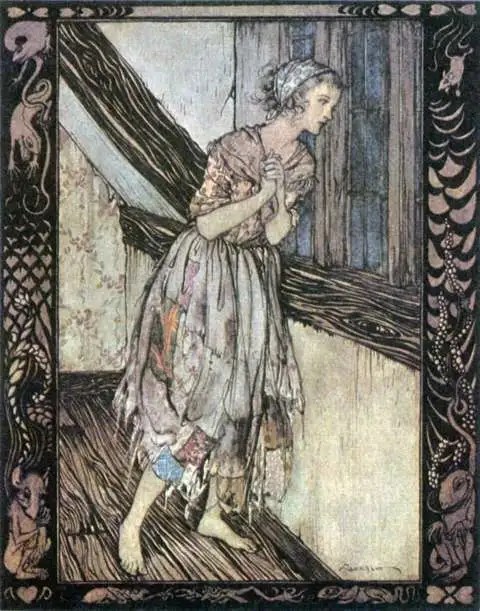
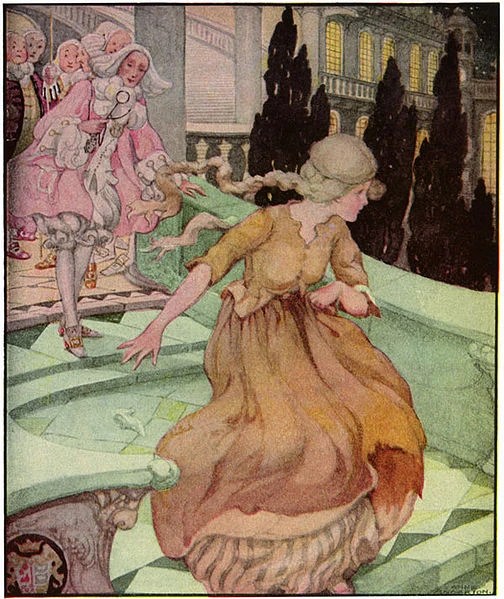
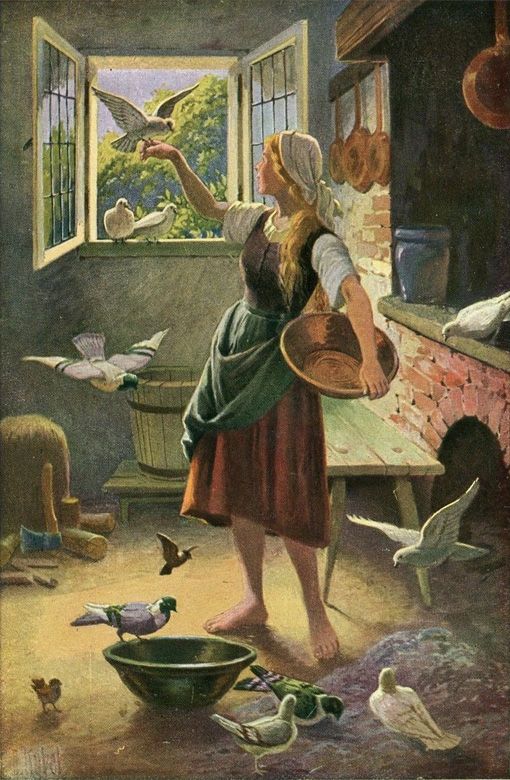
The most widely-known version of this tale in the English-Speaking world comes from Charles Perrault and his French publication of Histoires ou contes du temps passé in 1679, which included “Cendrillon” or “Cinderella.” Later, the Brothers Grimm would also publish a German version entitled “Aschenputtel” in 1812. The story also inspired an opera in 1810, by Gioachino Rossini, entitled “Cenerntola, ossia La bontà in trionfo,” translating to “Cinderella, or Goodness Triumphant.”
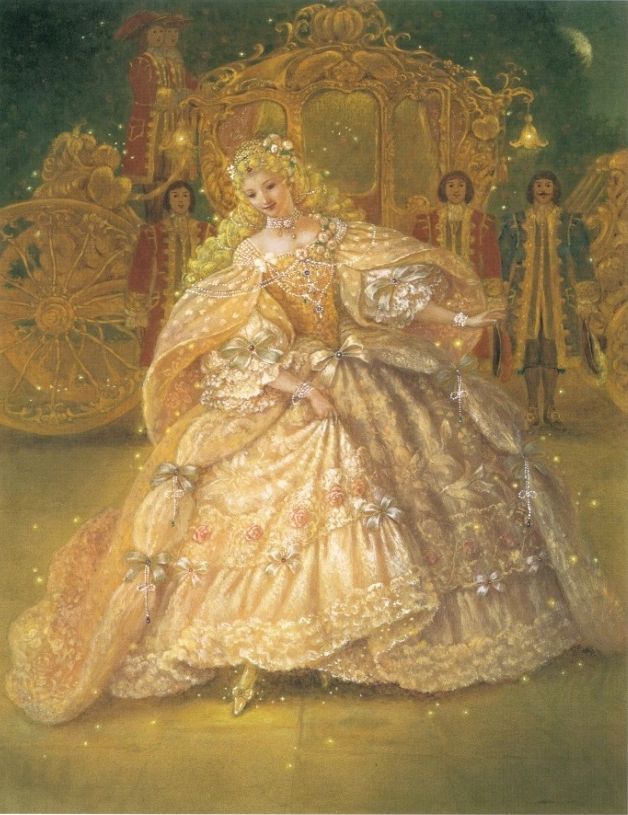
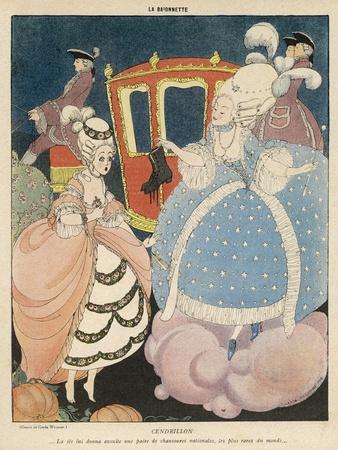
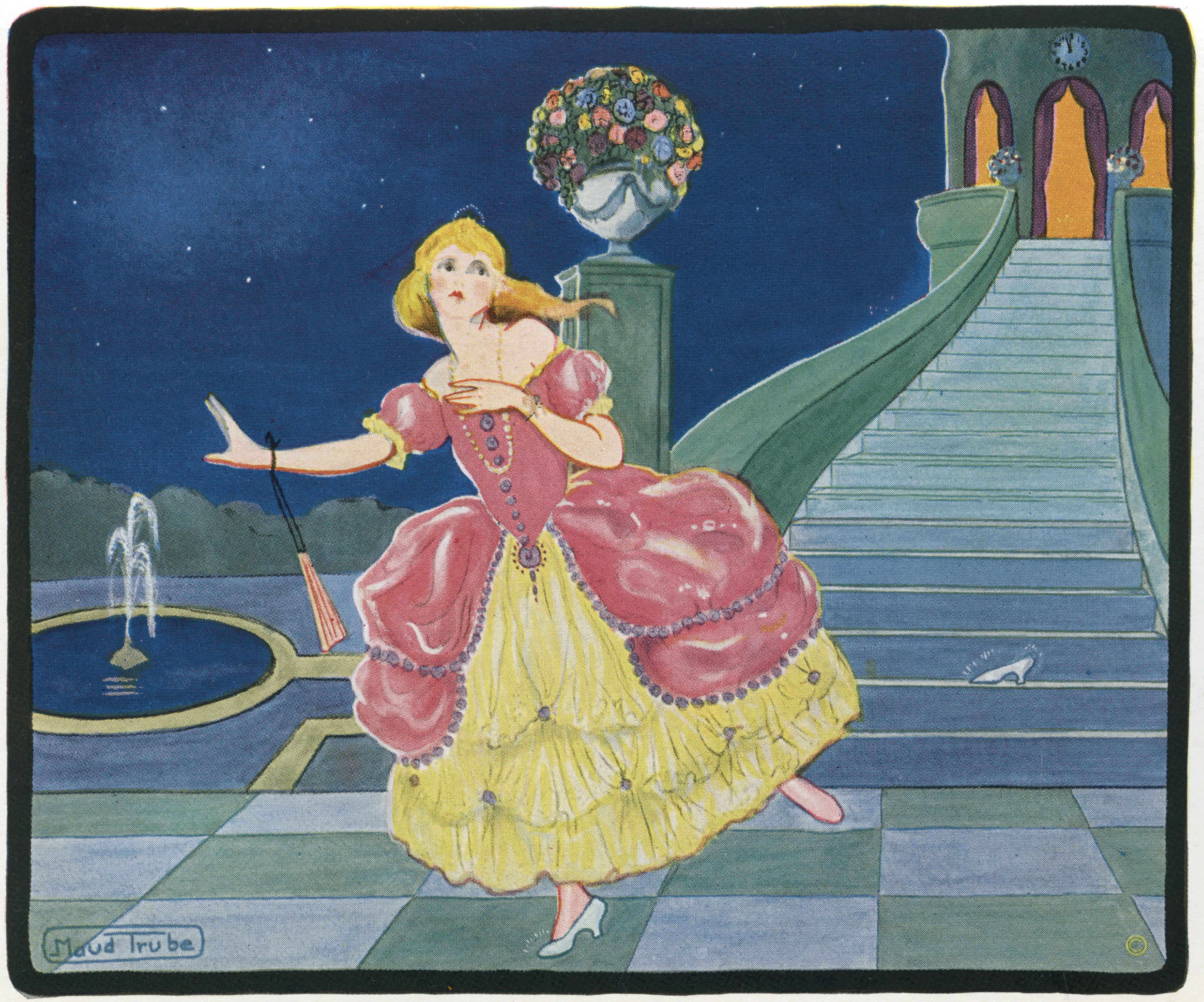
From the earliest of days for this tale to the present, this story of good triumphing over evil has inspired numerous creative works. In the case of Cinderfella (1960), an interesting role reversal occurs when a male is placed in the servant-like Cinderella position, complete with an evil stepmother and wicked stepsisters, in addition to falling in love with a beautiful princess.
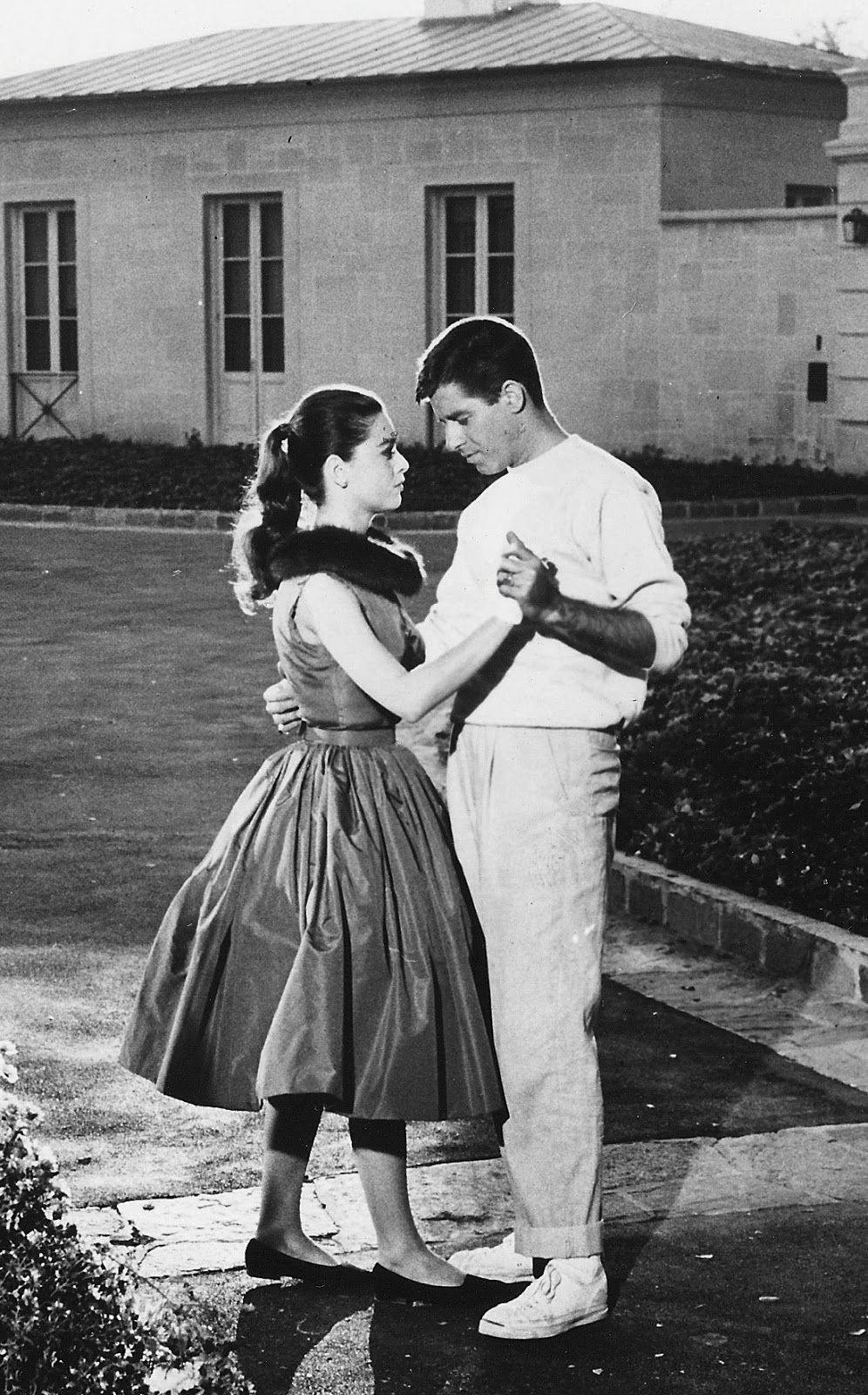
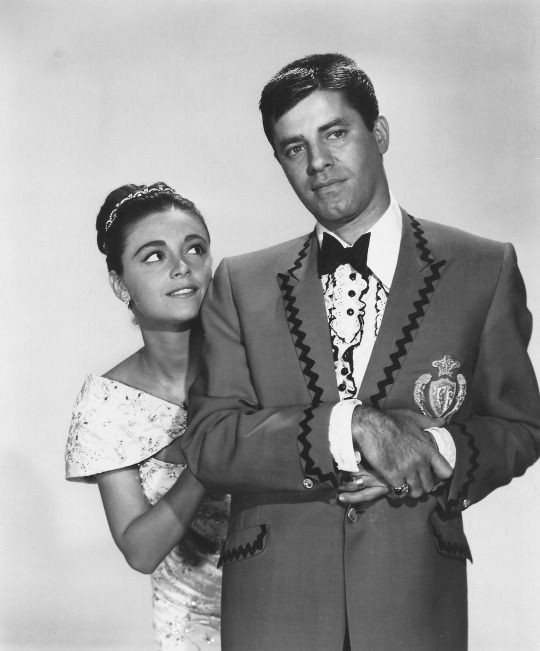
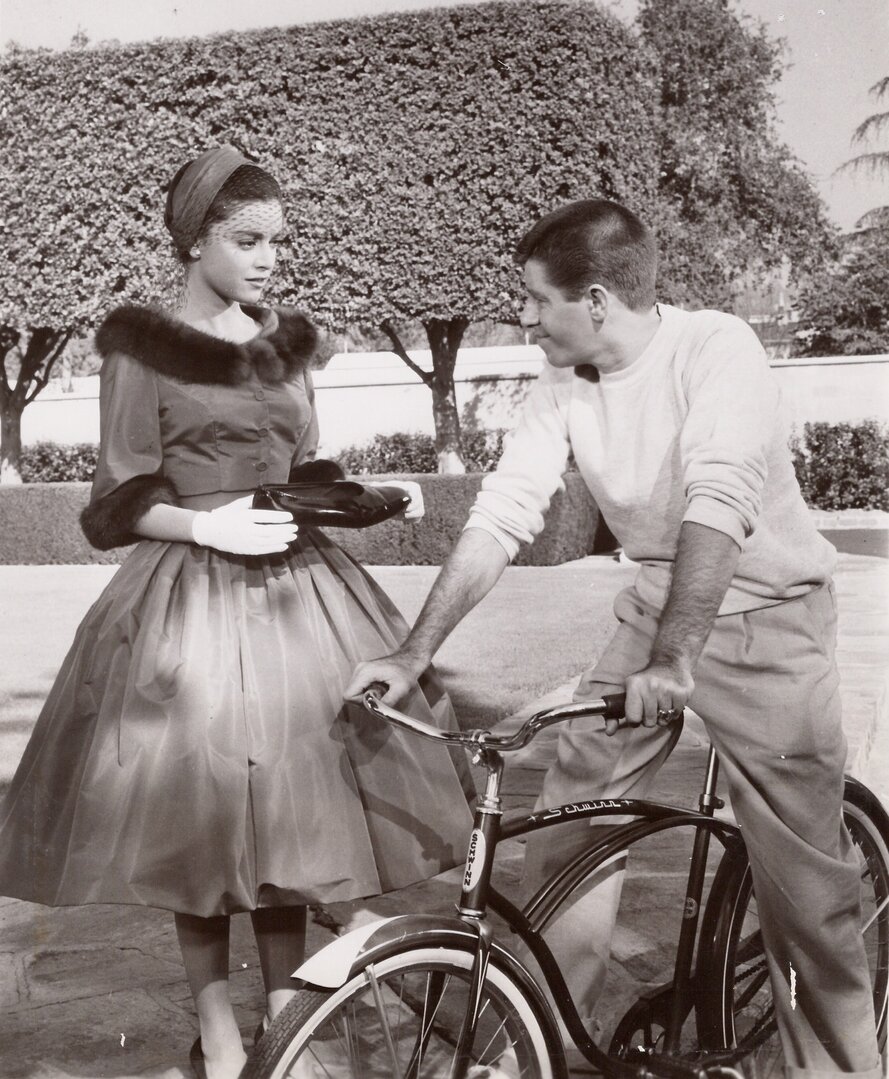
Cinderfella is presented as semi-musical comedy film, starring Jerry Lewis as Fella, the Cinderella role. When his father dies, he lives with his stepmother (Judith Anderson) and her two sons (Henry Silva and Robert Hutton). While they take over the grand mansion, Fella is relegated to an unfinished room and works as their butler. However, Fella has relentless dreams of his father trying to tell him where the family fortune is hidden.
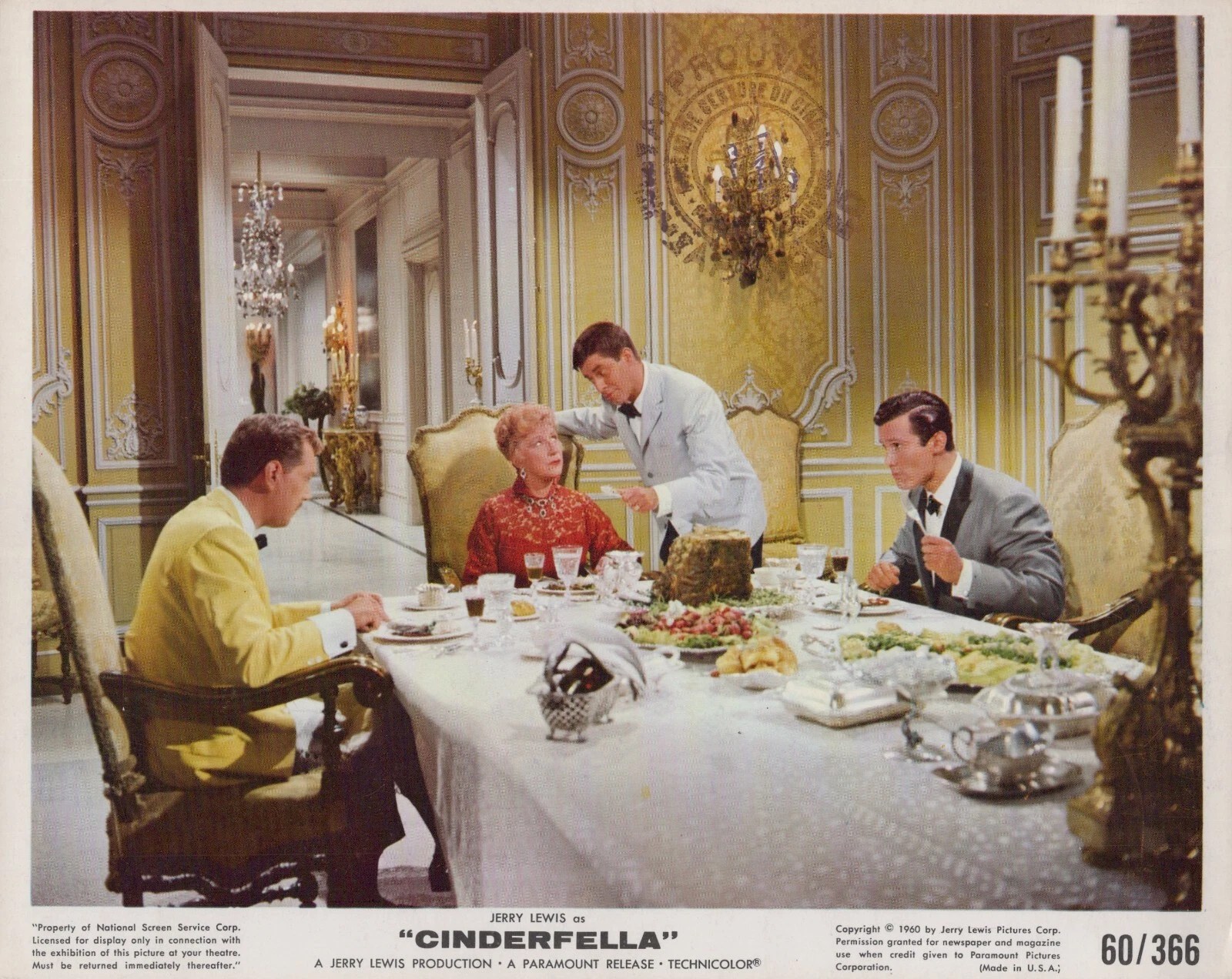
His stepmother is also unaware of where the fortune is hidden. In the meantime, Princess Charming (Anna Maria Alberghetti) is visiting town and the stepmother decides to throw a ball to get her to marry one of her sons. Fella is not allowed to go to the ball–that is, until his Fairy Godfather (Ed Wynn) steps in.
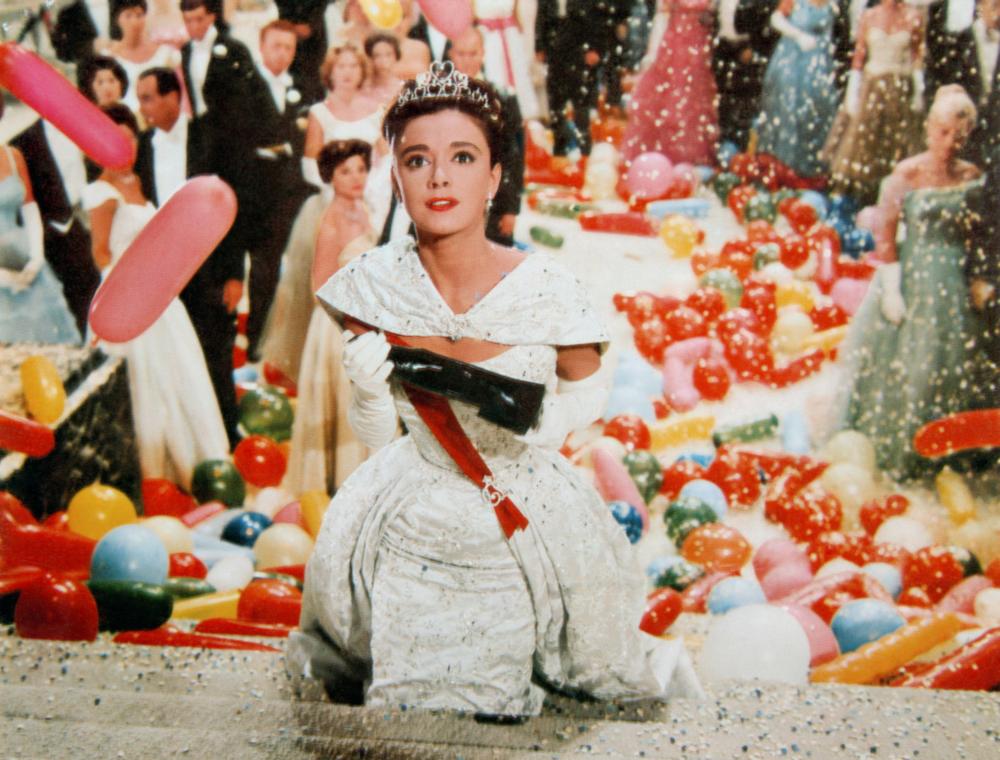
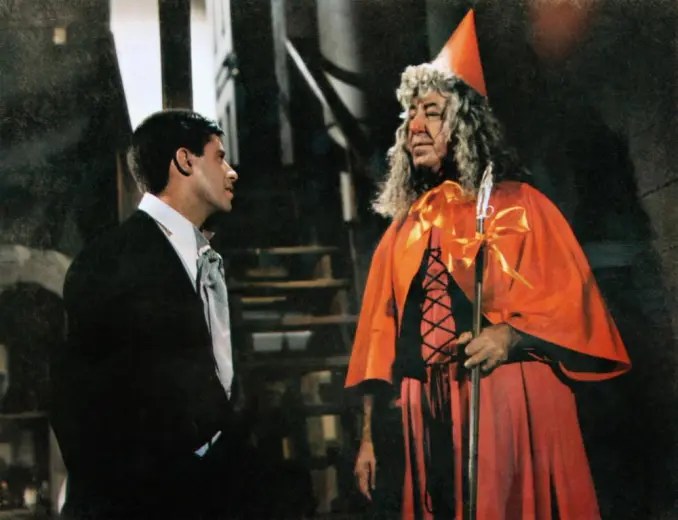
Fella is turned into a handsome prince and enjoys a night at the ball with Princess Charming all to the tune of Cout Basie’s orchestra–until midnight. As the night abruptly ends, Fella loses his shoe. With additional chaos, comedy, a musical number, and some romance, the story ends with its own happily ever after.
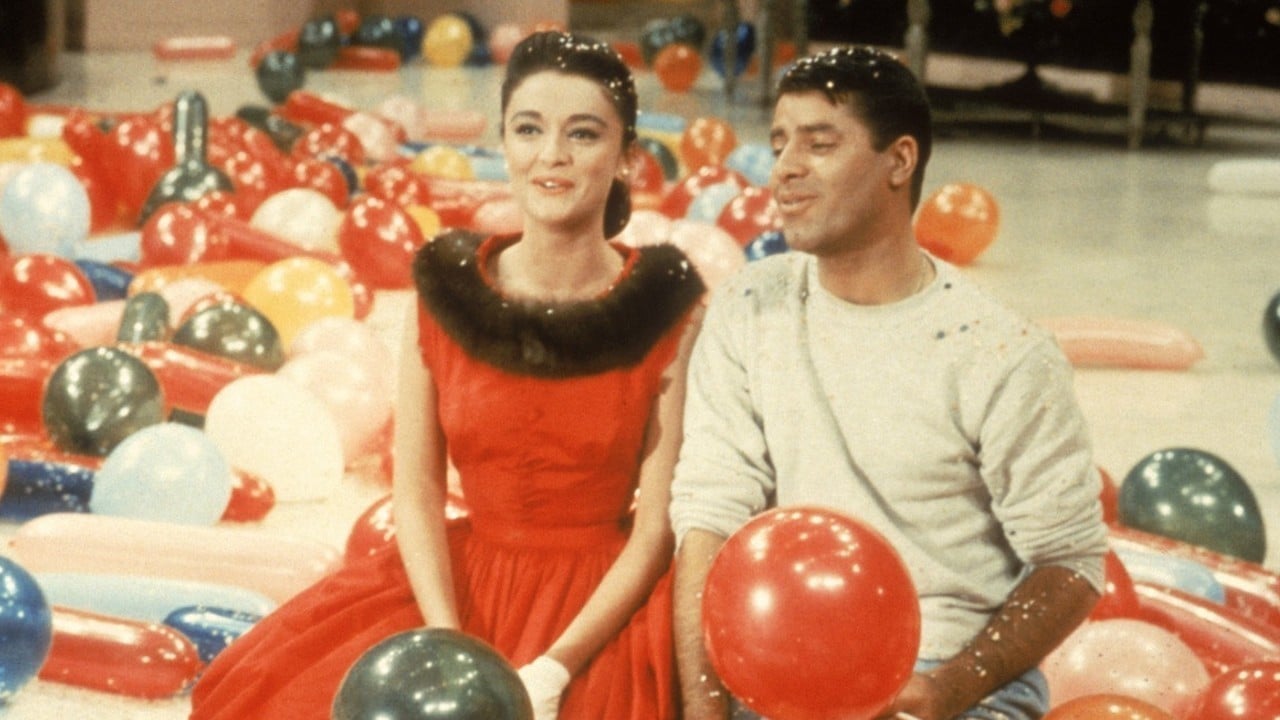
Cinderfella was directed and written by Frank Tashlin and produced by Jerry Lewis. Cinematography was carried out by Haskell B. Boggs, editing by Arthur P. Schmidt, and music by Walter Scharf.
Fella’s musical entrance down the grand staircase in the ball was shot in one take, as Lewis insisted. However, his rush up the strained his heart and led to his hospitalization. According to Lewis, he had his first heart attack while making this film. Fella’s persona at the ball is also viewed as a precursor to Lewis’ eventual Buddy Love character in The Nutty Professor (1963).
Viewers with a keen eye for detail might also recognize the exteriors of the mansion in this film as the same mansion used in The Beverly Hillbillies.
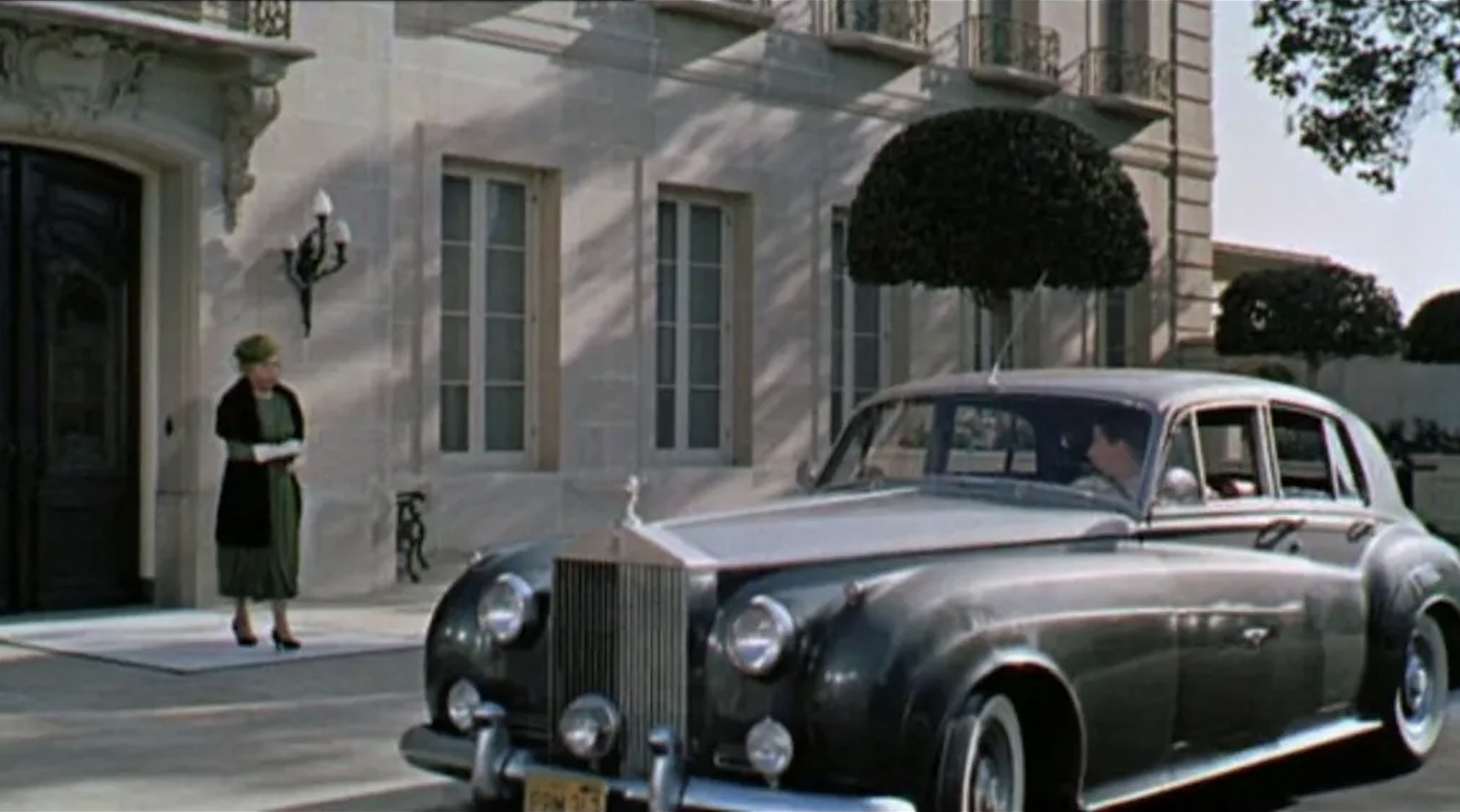
Cinderfella was filmed from October to December of 1959. Initially, Paramount Pictures wanted to release the film over the summer but Lewis felt that it was better suited as a Christmas release. As this delay in release played out, Paramount demanded another summer release in its place. Lewis agreed and wound up writing, producing, and directing The Bellboy (1960) in a quick four weeks while he was performing at the Fountainebleau Hotel in Miami Beach, where the film was shot. Lewis filmed The Bellboy by day and carried out his nightclub bookings by night.
To promote the film, Lewis commissioned Norman Rockwell for the movie’s promotional art and advertisements.
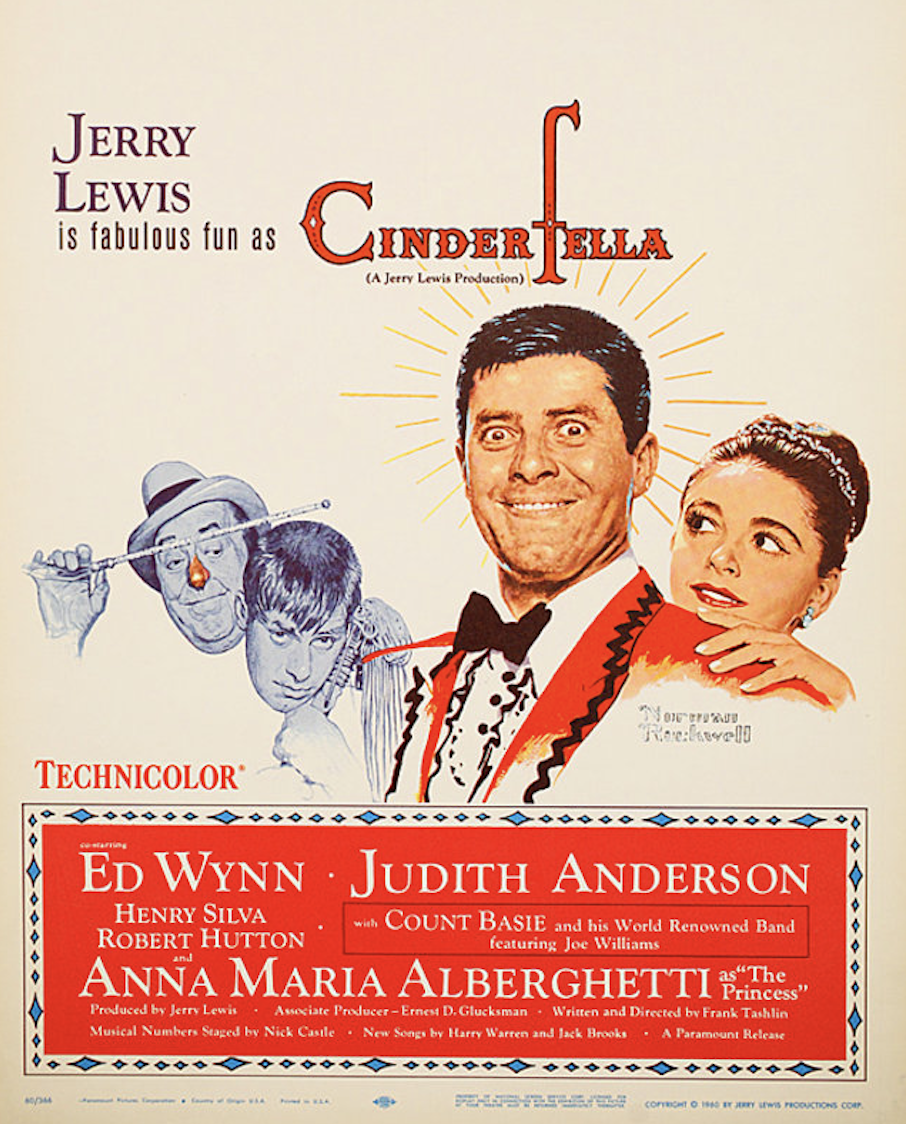
While director Tashlin used to supervise “Looney Tunes” cartoons and emphasized comedy in the story, in addition to having directed eight other Lewis films and being friends with Lewis, he was displeased with the film. During editing, Lewis reimagined the story to emphasize its more sentimental and romantic aspects instead. Tashlin felt that the sentimentality arrived at the expense of the humor.
Ultimately, Cinderfella opened on November 22, 1960, at the Woods Theatre in Chicago, Illinois, and was a hit film, offering an interesting and delightful spin on a beloved tale.
This article is part of the “Once Upon a Time Blogathon.” Check out all the submissions here.





 Hometowns to Hollywood