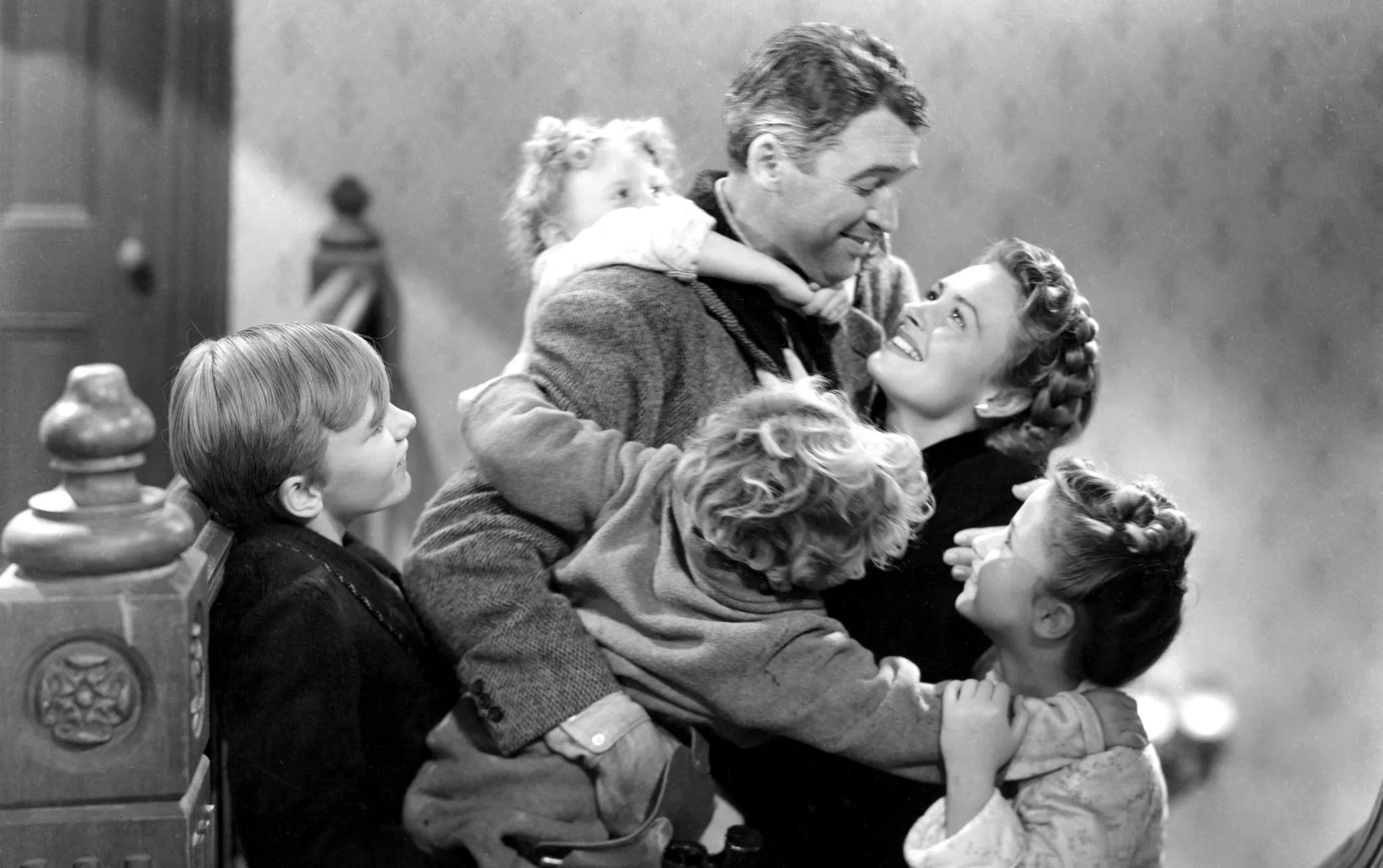
Clarence: Strange, isn’t it? Each man’s life touches so many other lives. When he isn’t around, he leaves an awful hole, doesn’t he?
–Henry Travers as Clarence Oddbody in It’s a Wonderful Life (1946)
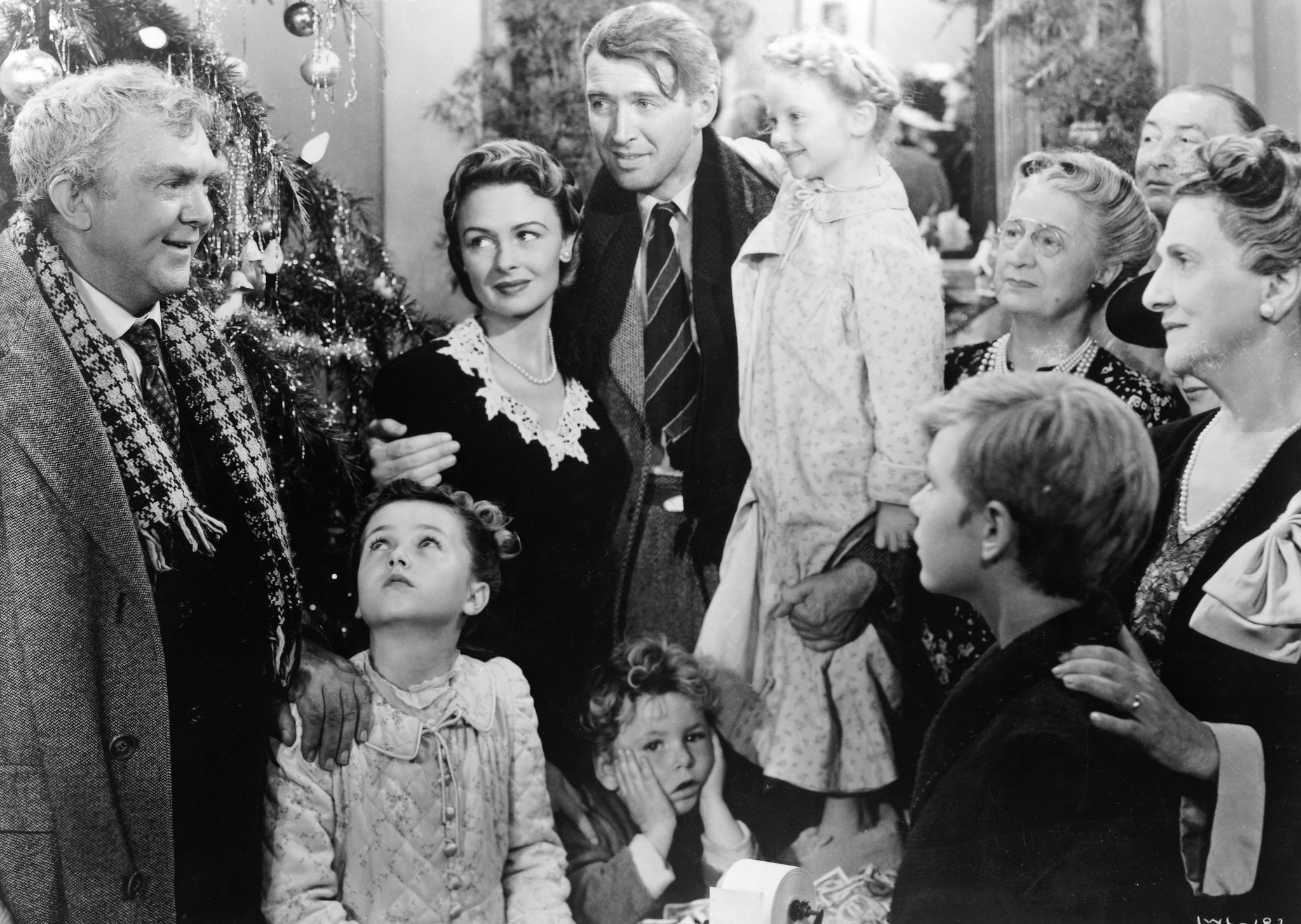
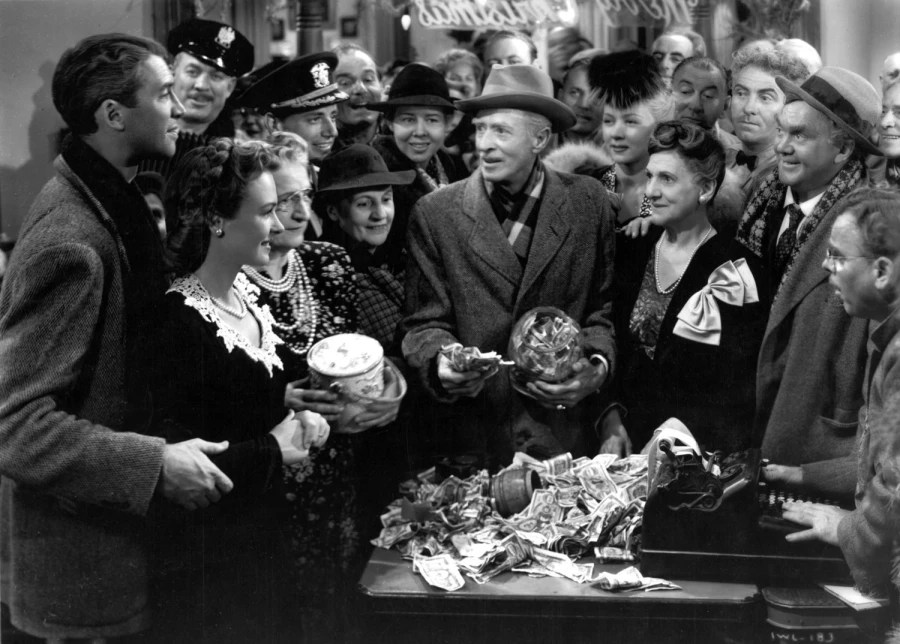
Frank Capra’s It’s a Wonderful Life (1946) is a classic that has endured over the years, particularly around the holiday season. As a Christmas fantasy drama, the film chronicles the life of George Bailey, a man who sacrifices his dreams to help others. In his darkest hour, Bailey’s thoughts of suicide on Christmas Eve cause Clarence Oddbody, his guardian angel, to intervene. Oddbody grants Bailey his wish–never to have been born–showing Bailey firsthand how much of an impact his life has truly made.
The film is masterfully performed by James Stewart in his first post-World War II role, in addition to standout performances by Donna Reed, Lionel Barrymore, and Henry Travers. One of Stewart’s most memorable performances, it is hard to imagine anyone else in this everyman role.
It’s a Wonderful Life is based on a self-published short story by Philip Van Doren Stern entitled “The Greatest Gift” from 1943, loosely inspired by 1843’s Charles Dickens novella A Christmas Carol.
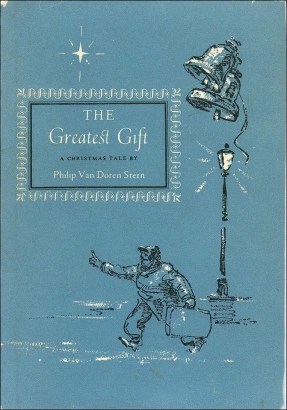
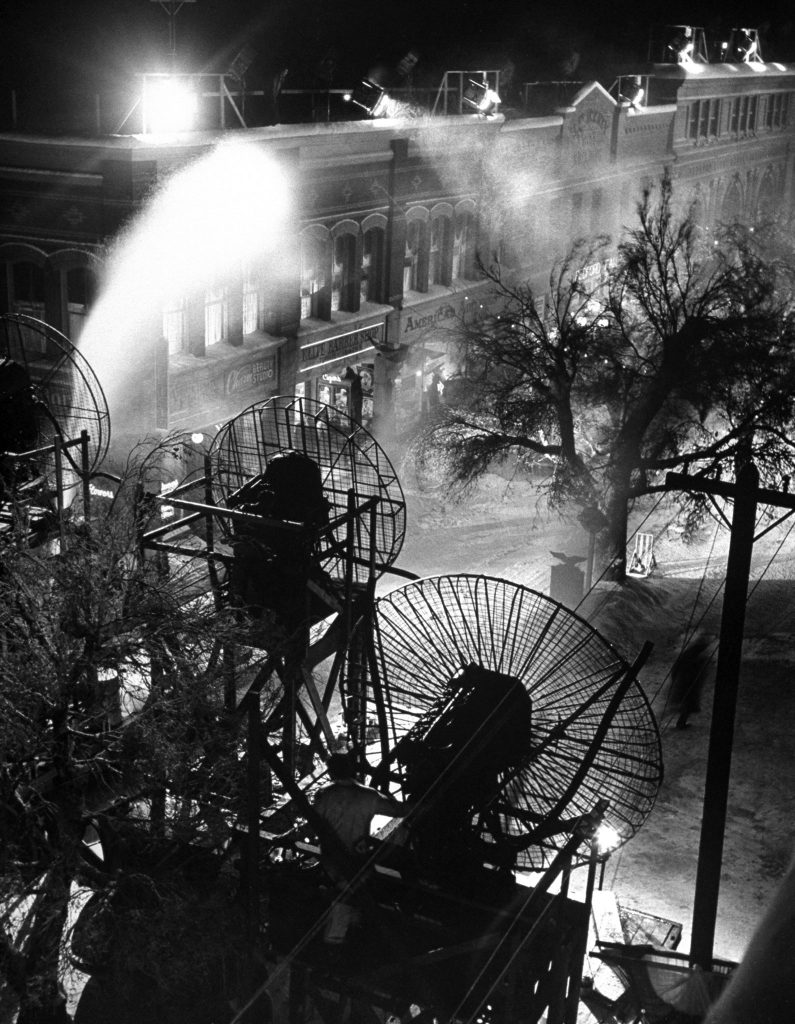
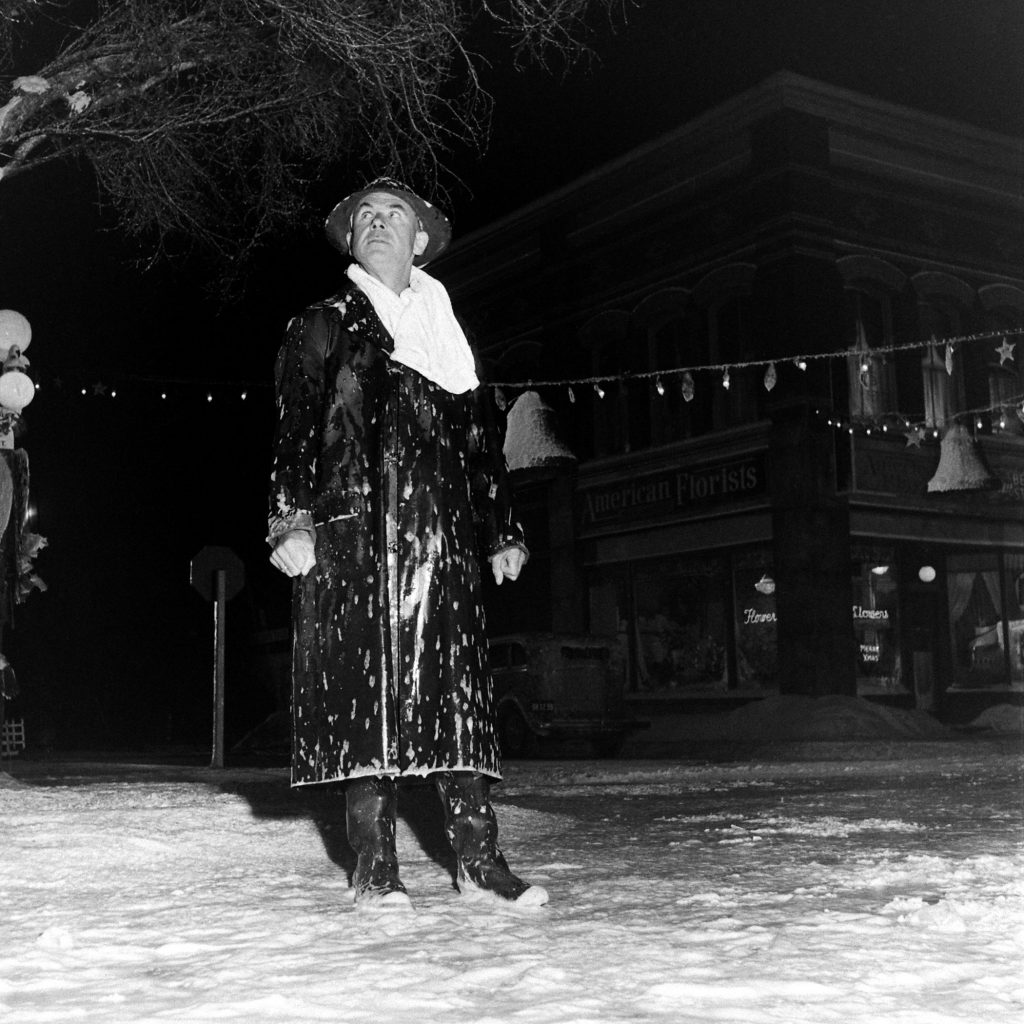
Famously, the film was not successful at the box office. It was released to mixed reviews, though it received five Academy Award nominations–Best Picture, Best Director, Best Actor, Best Film Editing, Best Sound Recording, and the Technical Achievement Award–ultimately winning the Technical Achievement Award for Russell Shearman and RKO Radio Studio Special Effects Department’s development of a new method for simulating falling snow on film sets. However, the film failed to garner favorable financial figures at the box office. Its copyright expired in 1974 and was not renewed, leading the film to enter the public domain. It is at this point that the film took on a second life: since broadcasting the film would not require licensing or royalty fees, it soon became a Christmas classic.
Today, the film is considered to be among the greatest films, let alone a holiday classic. It has received recognition from the American Film Institute and was selected for preservation by the National Film Registry. As for Capra? He considered the film to be his favorite, screening it for his family every Christmas. Stewart, who was initially hesitant to take on a role that would have him playing younger and older versions of the character, considered it among his favorite films.
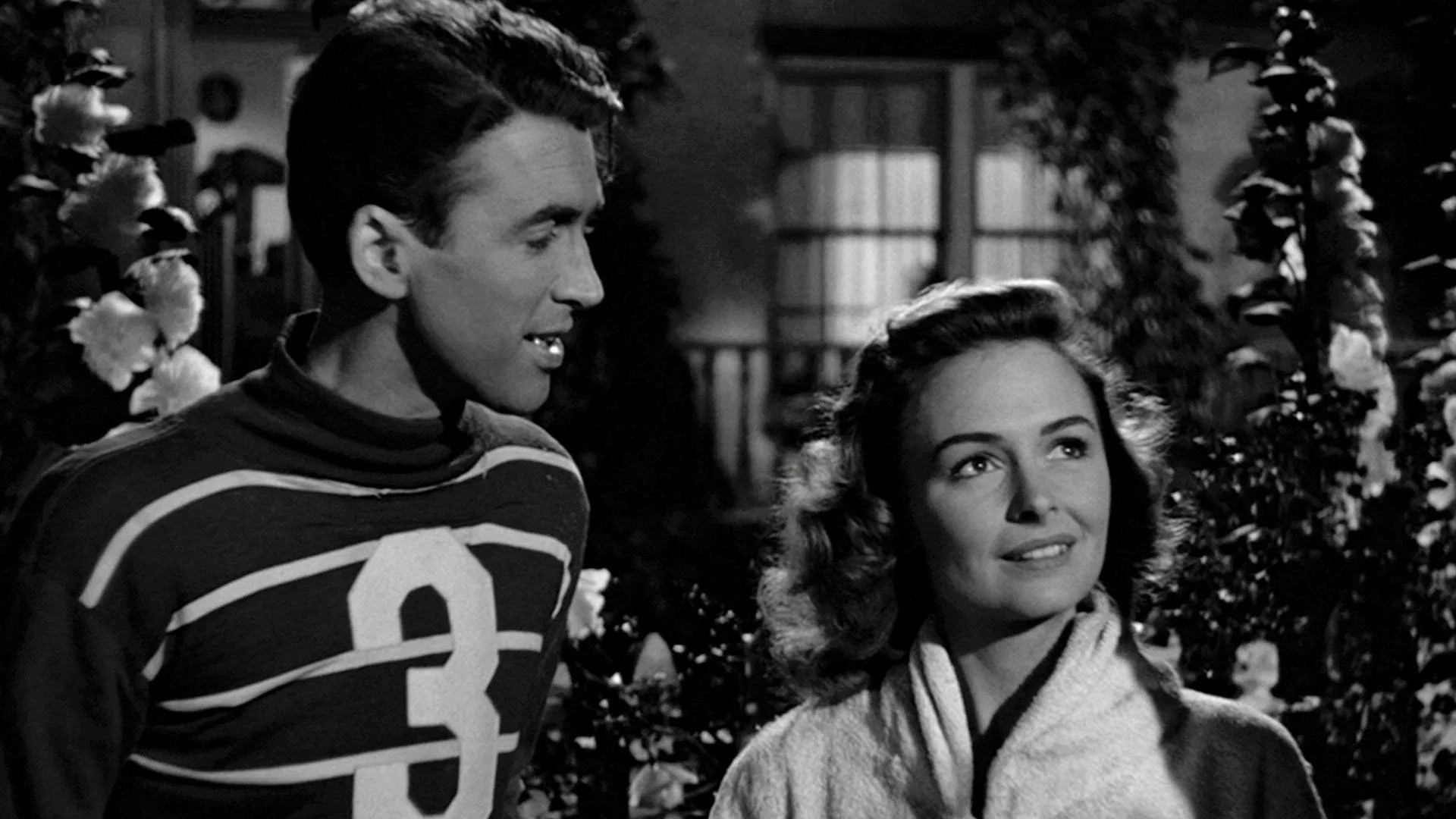
Van Doren Stern’s initial story was rejected time and again by publishers, so he ultimately printed it as a 24-page pamphlet to send to family and friends at Christmas. His work told the tale of George Pratt, who contemplates suicide on Christmas Eve. A man grants him his wish of never being born and instructs George to pose as a brush salesman, should anyone address him. As he navigates a town in which he is a stranger to all, George realizes the value of his life. The story eventually came to the attention of RKO Radio Pictures, which bought the rights to the story in hopes of turning it into a vehicle for Cary Grant.
Now in the hands of RKO, writers attempted variations on the tale of renamed protagonist George Bailey. Dalton Trumbo specifically revised George as a politician who becomes more cynical, ultimately attempting to end his life after an election loss. An angel shows him Bedford Falls not as though he had never been born but if he had pursued business instead of politics. RKO shelved the project.
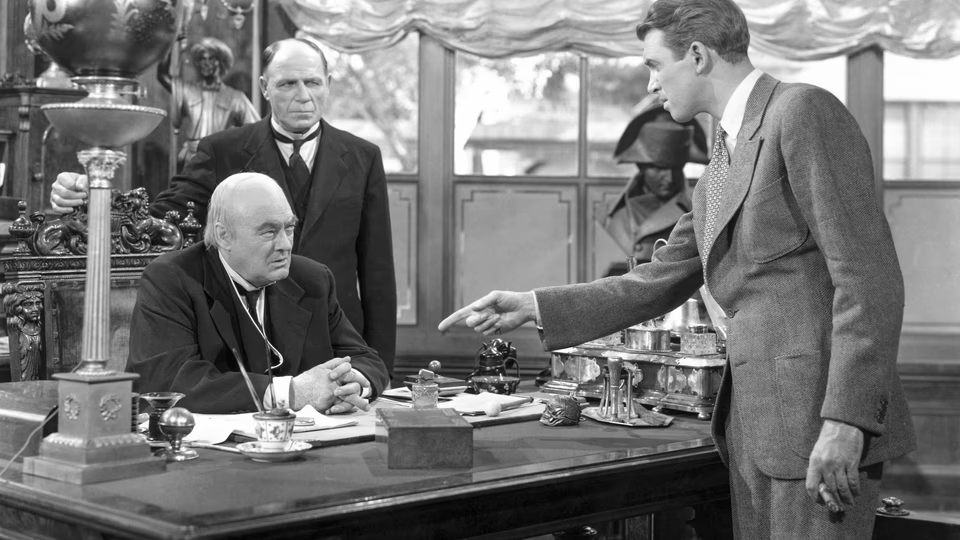
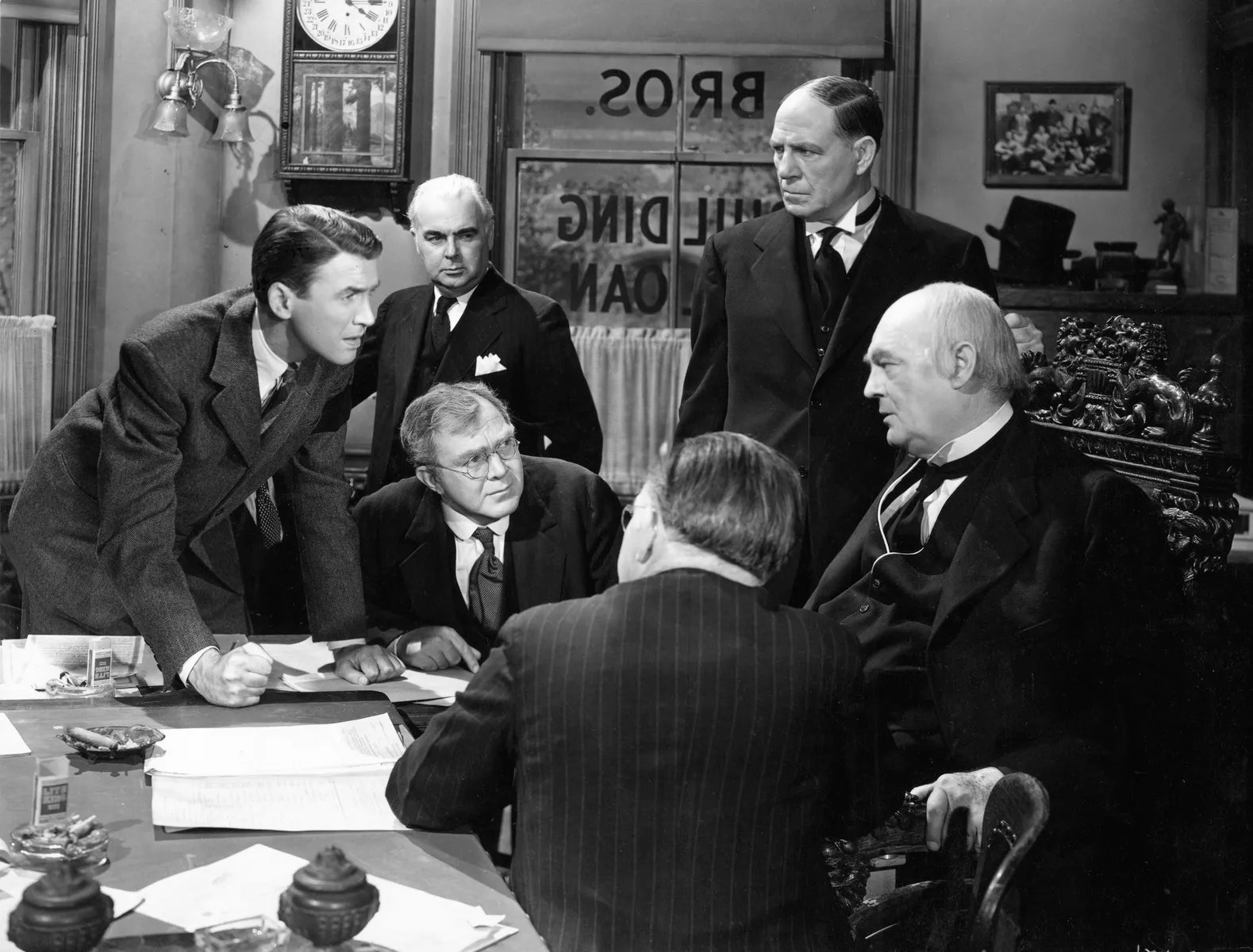
Frank Capra saw promise in the story and RKO sold him the rights for $10,000. After multiple rewrites, casting was soon underway. Prior to Stewart taking on the George Bailey role, Henry Fonda was considered for the lead. Jean Arthur, Olivia de Havilland, Martha Scott, Ann Dvorak, and Ginger Rogers were all considered for the role of Mary Hatch Bailey before Donna Reed was cast. Edward Arnold, Louis Calhern, Raymond Massey, Thomas Mitchell, Vincent Price, and several other were considered for the villainous Mr. Potter role. In the end, Lionel Barrymore was cast due to his prior experiences portraying Ebenezer Scrooge in radio iterations of A Christmas Carol.
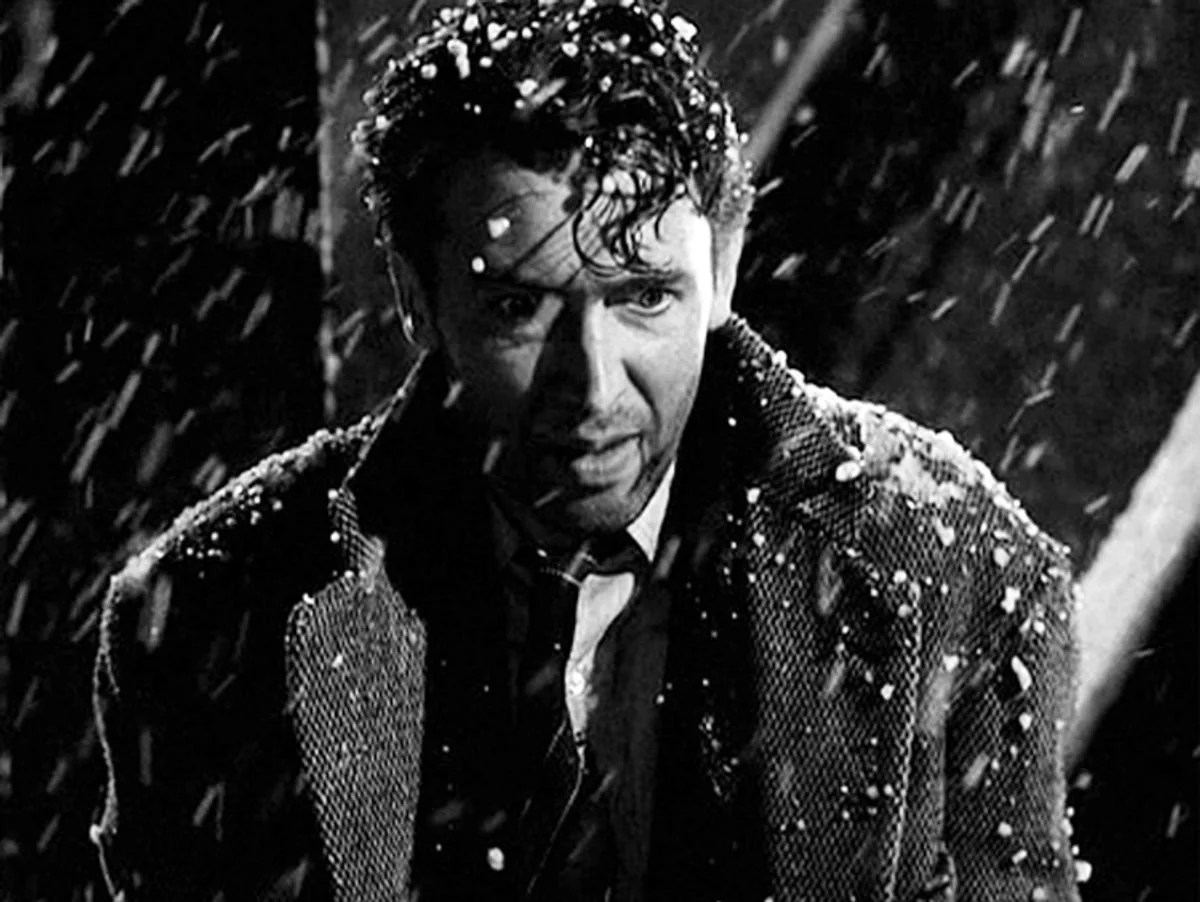
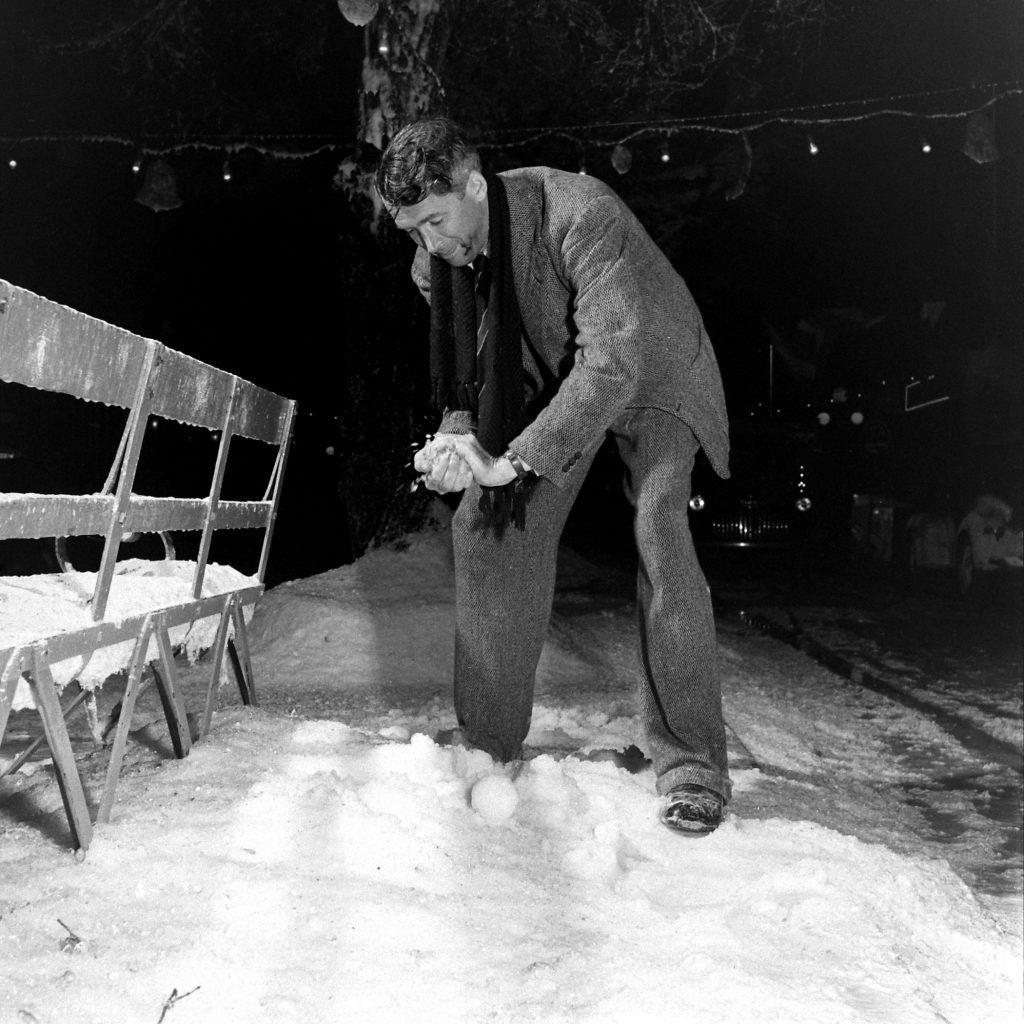
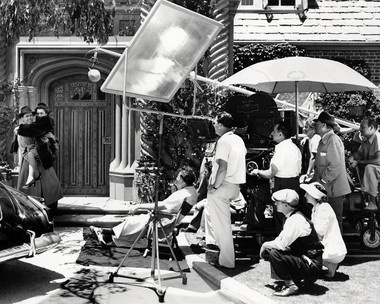
Filming occured at RKO Radio Pictures Studios in Culver City, California, and at the RKO movie ranch in Encino, California–not to mention during a heat wave, despite the film’s winter sequences. RKO’s head of special effects, Russell Shearman, created a new compound from water, soap flakes, foamite, and sugar to create a chemical snow for the film. Previously, movie snow was made from untoasted cornflakes which would cruch loudly when disturbed, leading to dialogue needing to be redubbed.
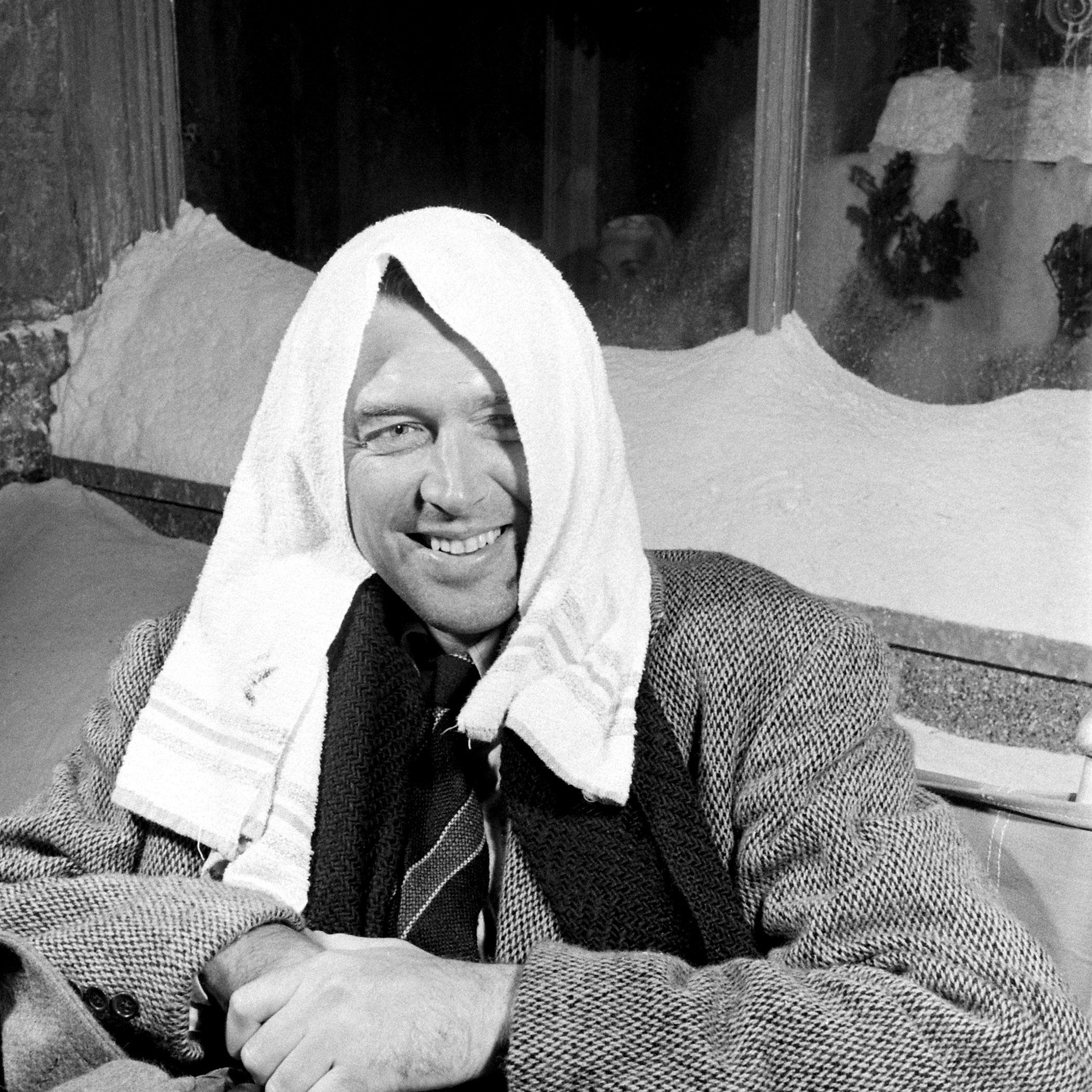
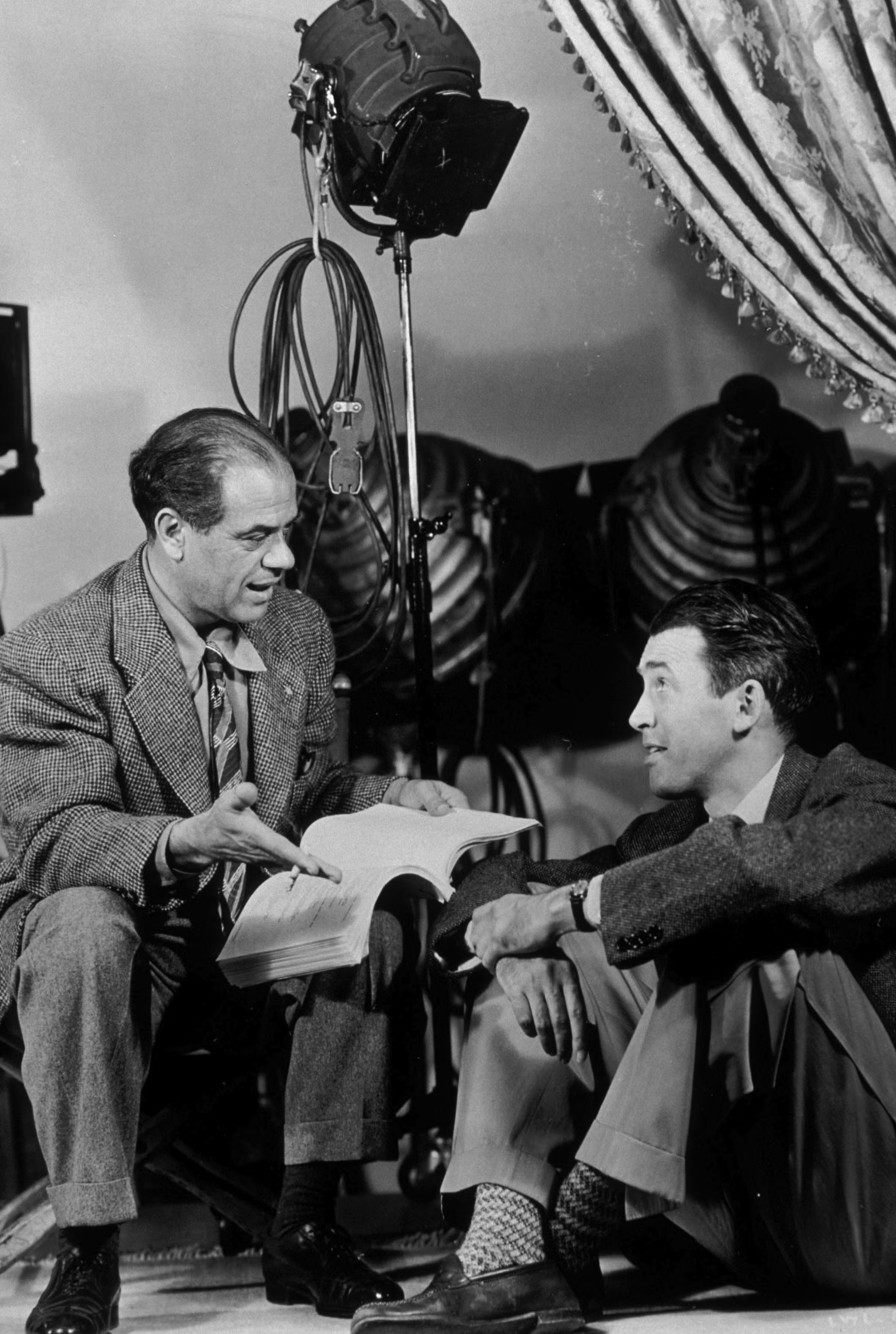
While the film was not a box office success, it became a television staple by 1976 during the holiday season. In a 1984 interview with The Wall Street Journal, Capra shared: “It’s the damnedest thing I’ve ever seen. The film has a life of its own now, and I can look at it like I had nothing to do with it. I’m like a parent whose kid grows up to be President. I’m proud–but it’s the kid who did the work. I didn’t even think of it as a Christmas story when I first ran across it. I just liked the idea.”
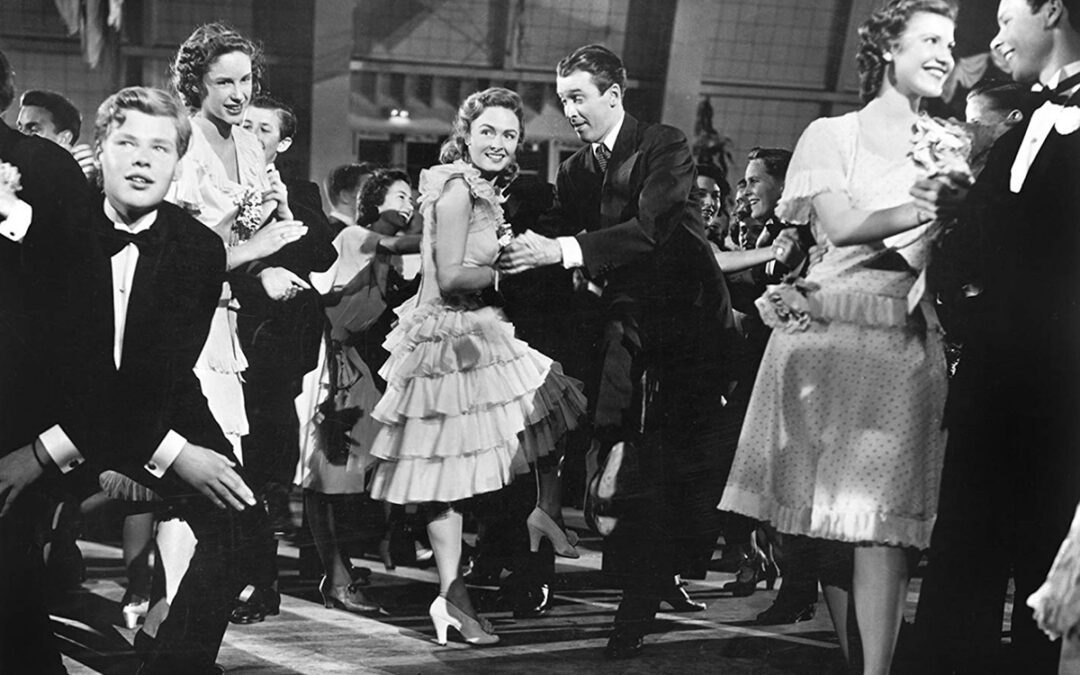
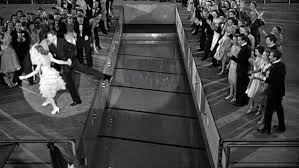
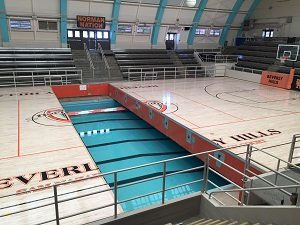
Today, two locations from the film survive. One is the “swim gym” at Beverly Hills High School, featured in the film’s dance sequence. The school is located at 241 S. Moreno Dr., Beverly Hills, California.
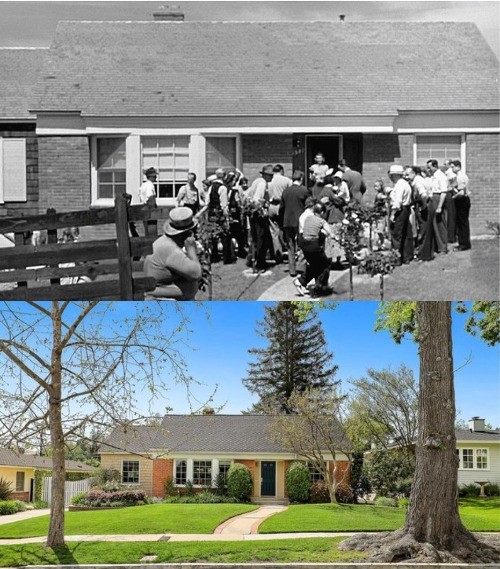
The other remaining location is the Martini home, which stands at 4587 Viro Rd., La Cañada Flintridge, California.
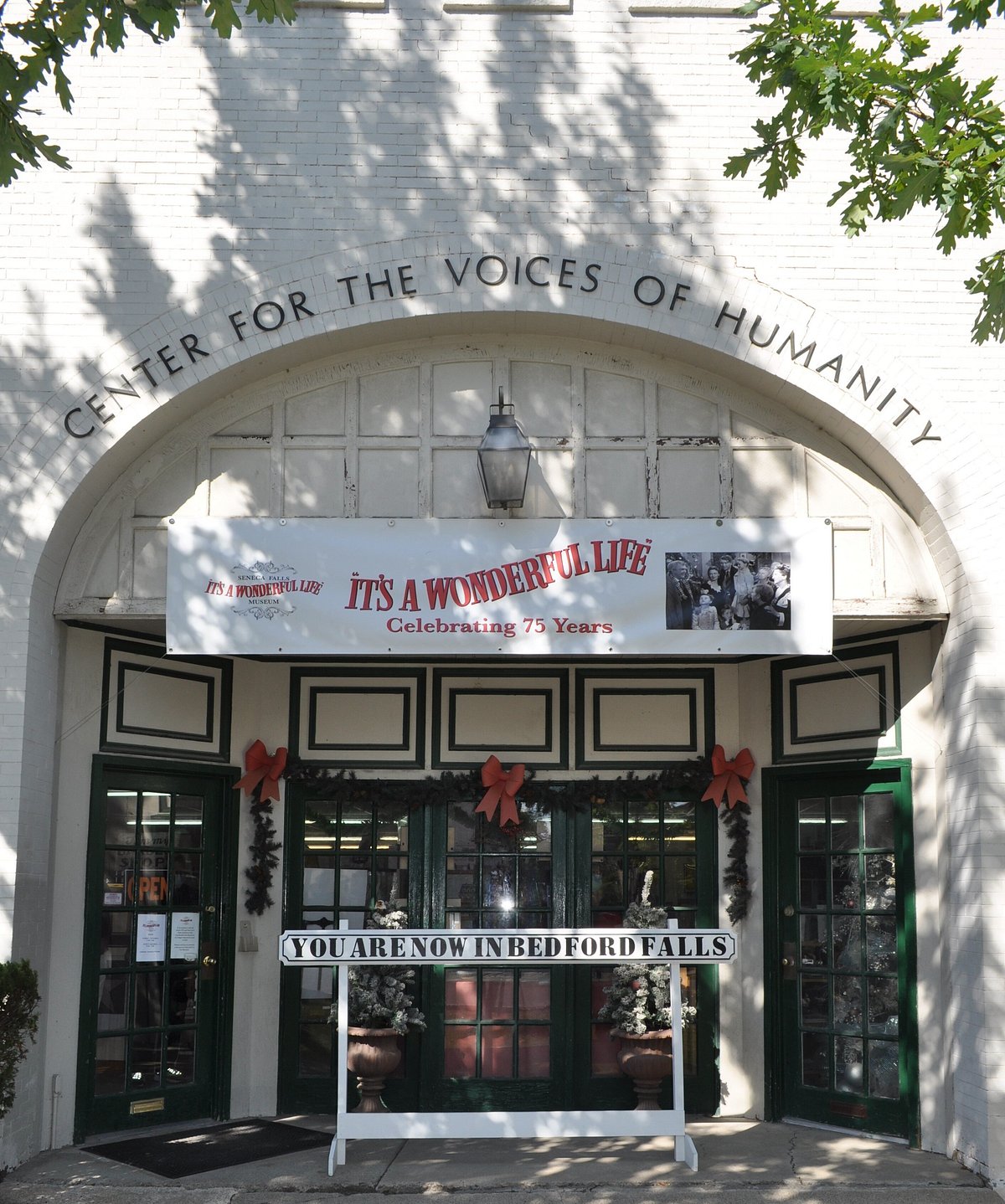
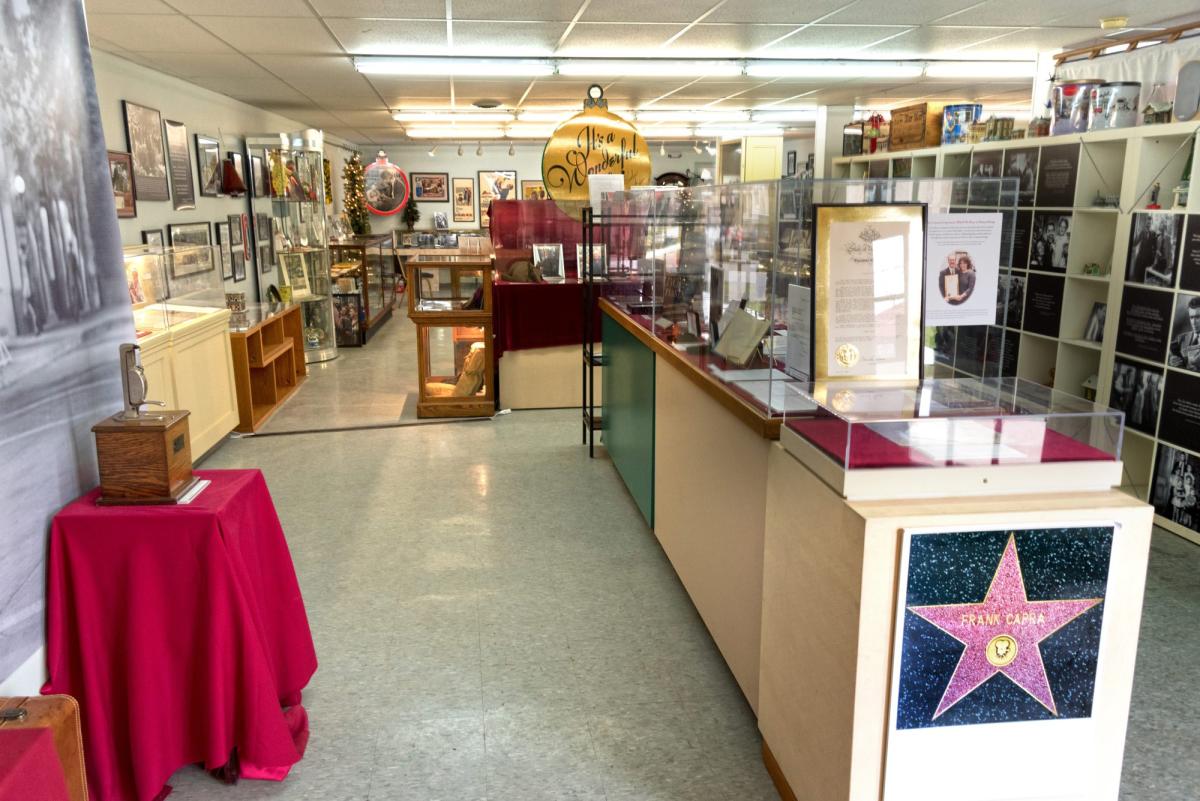
In honor of the film’s legacy, on December 10, 2010, the It’s a Wonderful Life Museum opened in Seneca Falls, New York. The town also hosts the annual It’s a Wonderful Life Festival. The museum is located at 76 Fall St., Seneca Falls, New York.
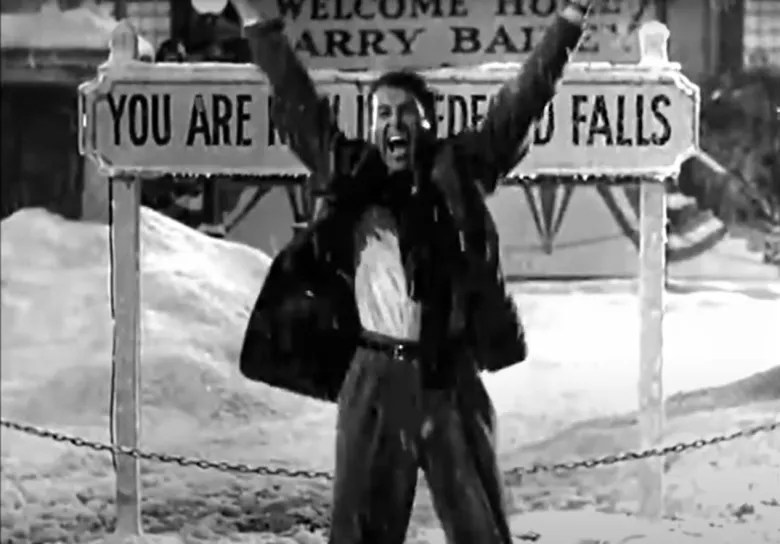
Directors past and present have acknowledged the impact of the film. Steven Spielberg said, “It’s a Wonderful Life shows that every human being on this Earth matters – and that’s a very powerful message.” Orson Welles, who portrayed Mr. Potter in a made-for-television remake of the film entitled It Happened One Christmas, stated of the original film: “There’s no way of hating that movie.” To this day, the film continues to entertain and inspire audiences across generations.





 Hometowns to Hollywood